Fiber Optic Cables
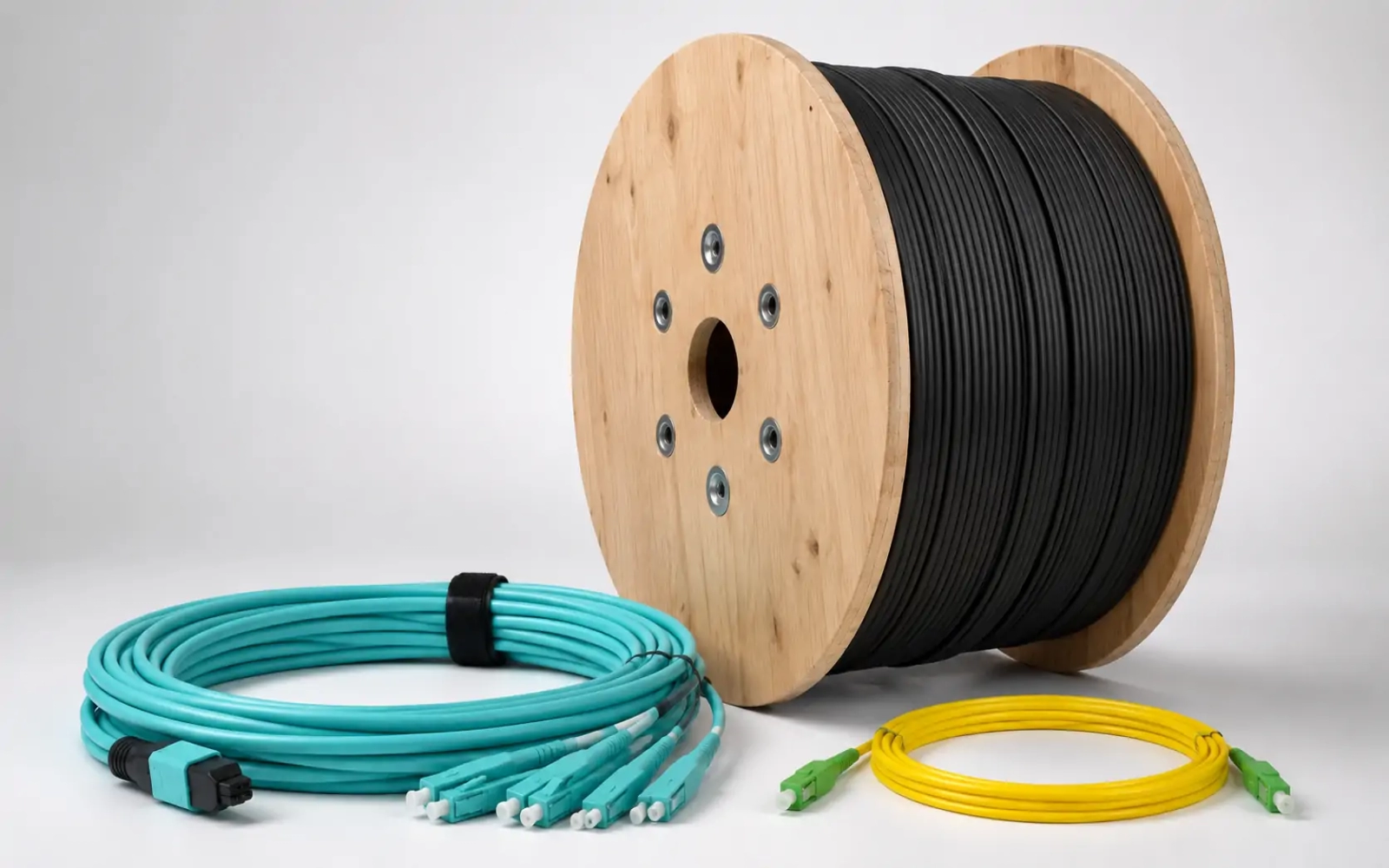
Explore outdoor, indoor, utility and specialty fiber optic cables for telecom, data center, access, power and industrial network applications.
Explore fiber optic cables, connectivity products, distribution hardware, fiber splitters and optical transceivers for telecom, data center, access, utility and industrial network projects.
Browse fiber optic cables, connectivity, distribution, splitters and optical transceivers, then narrow the product type for your project.
Explore outdoor, indoor, utility and specialty fiber optic cables for telecom, data center, access, power and industrial network applications.
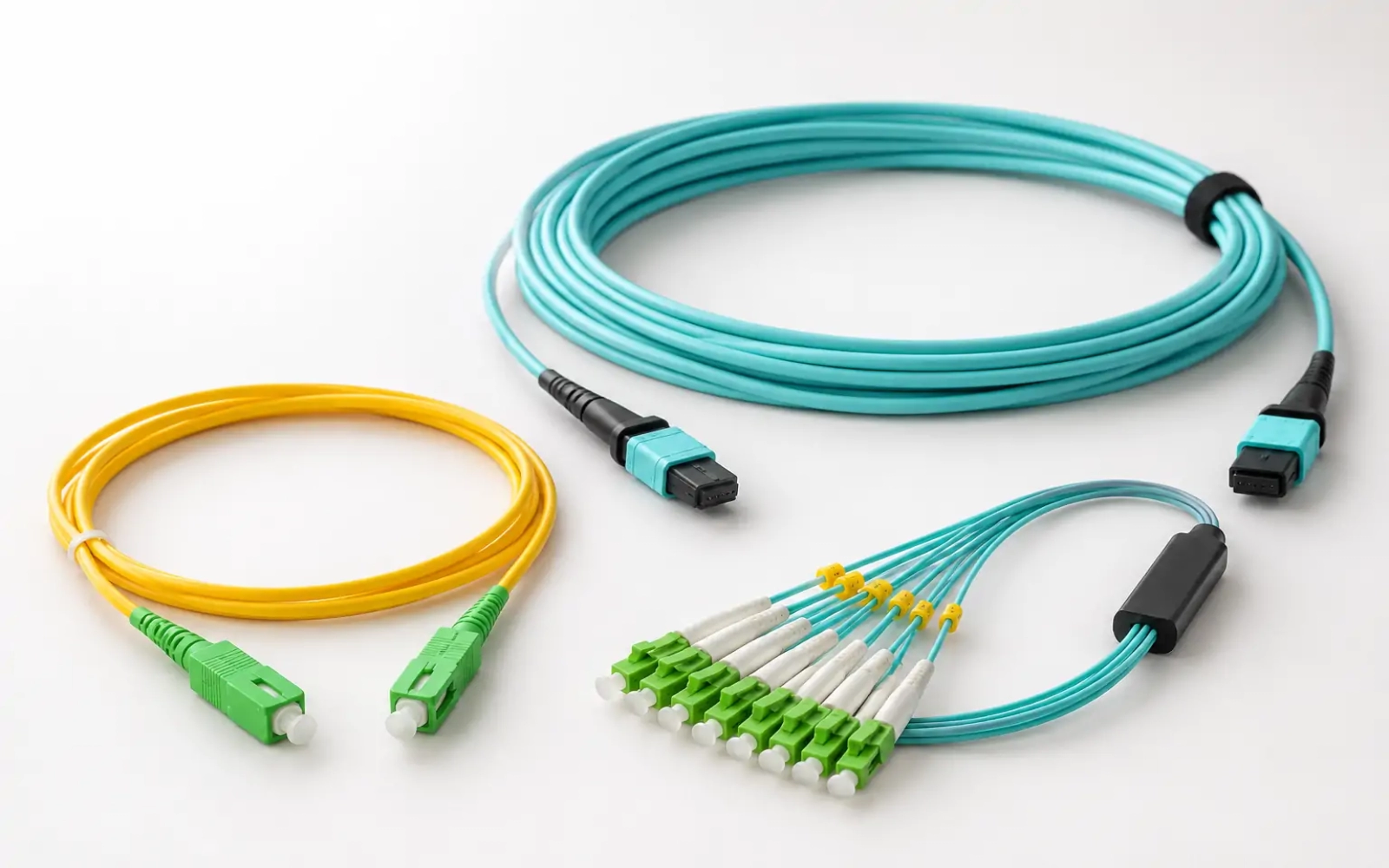
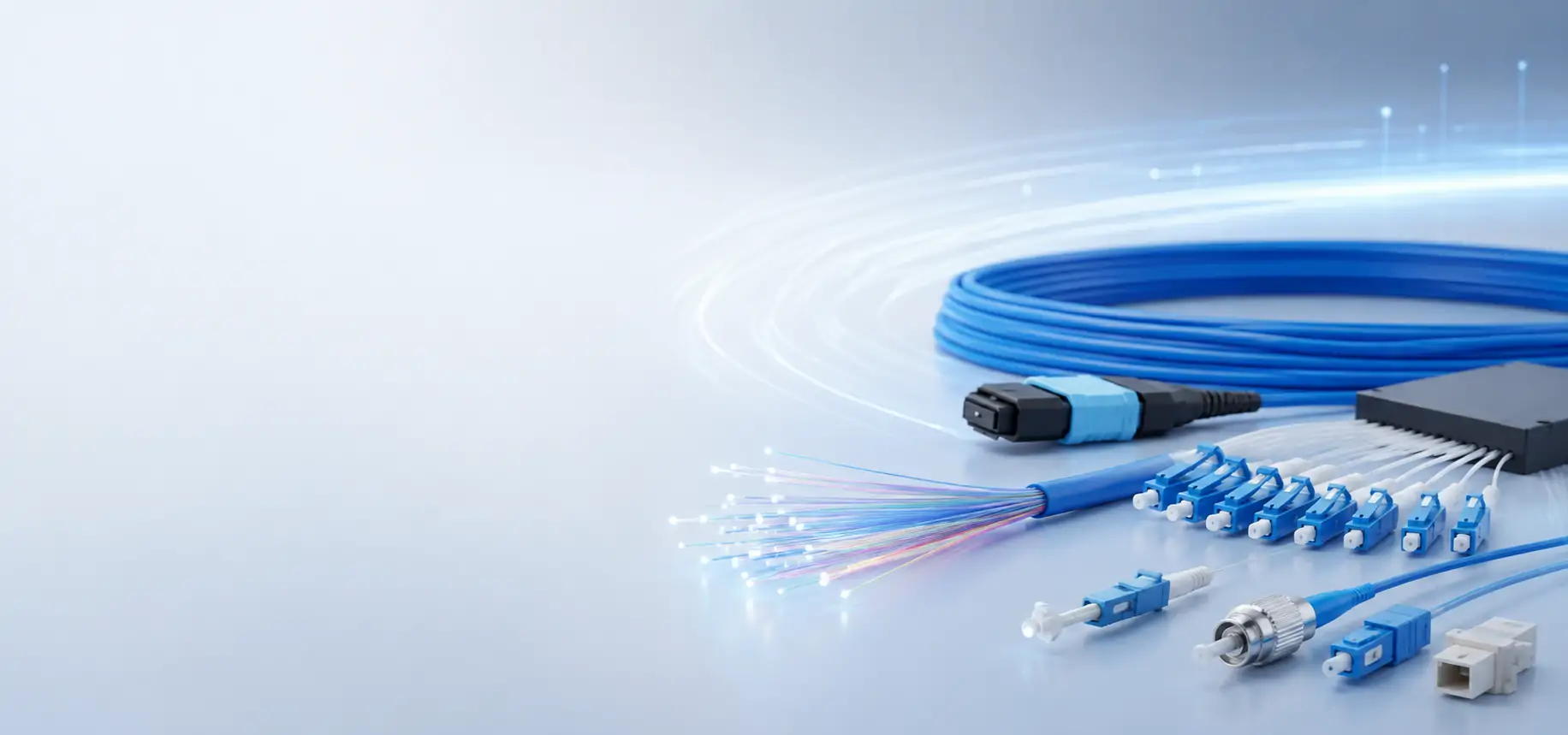
Explore fiber patch cords, pigtails, MPO/MTP cabling, adapters, connectors, attenuators and outdoor connectivity for high-performance fiber networks.
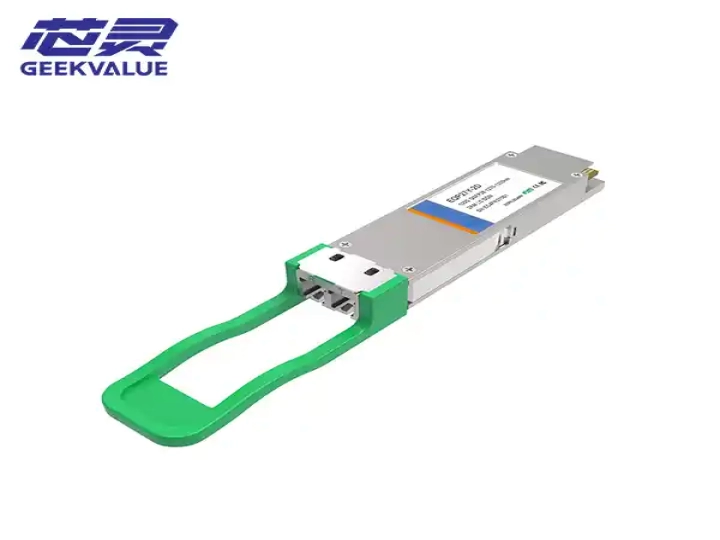
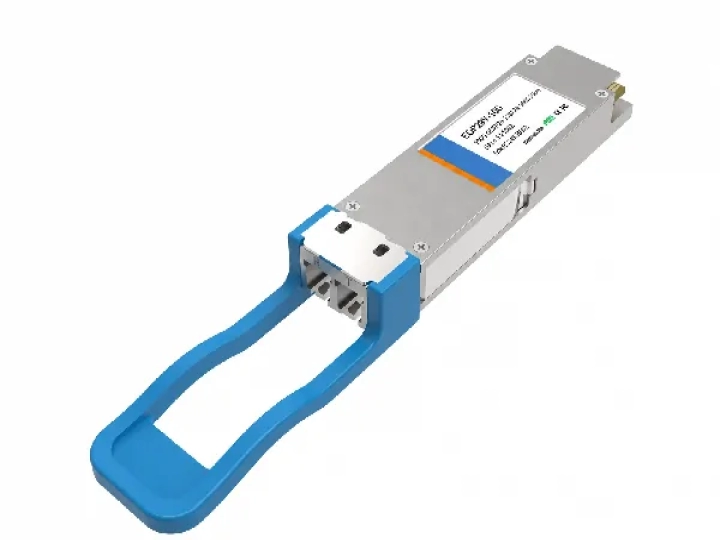
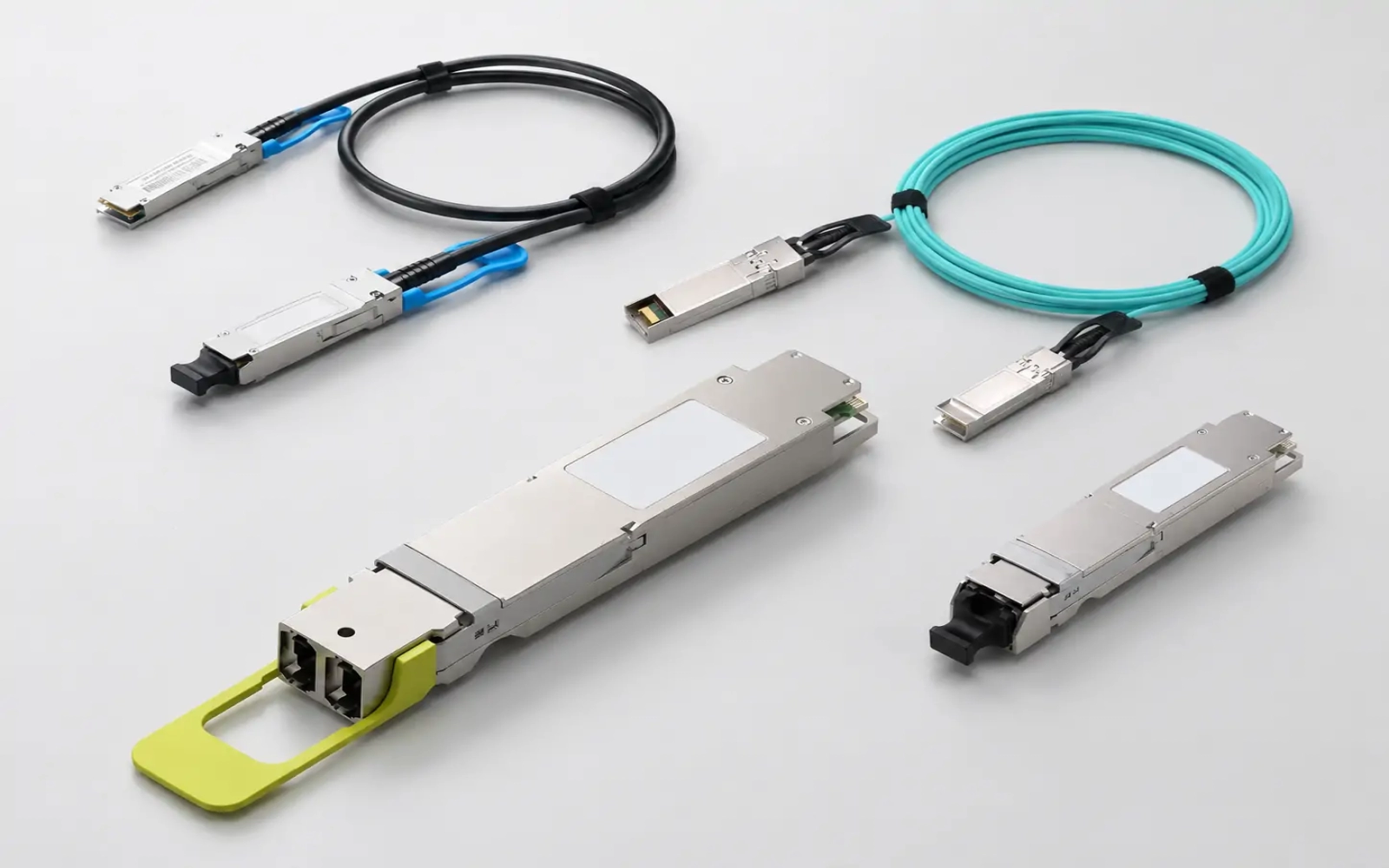
Explore optical transceiver modules, active optical cables and direct attach cables for data center, telecom, server and high-speed Ethernet connections.
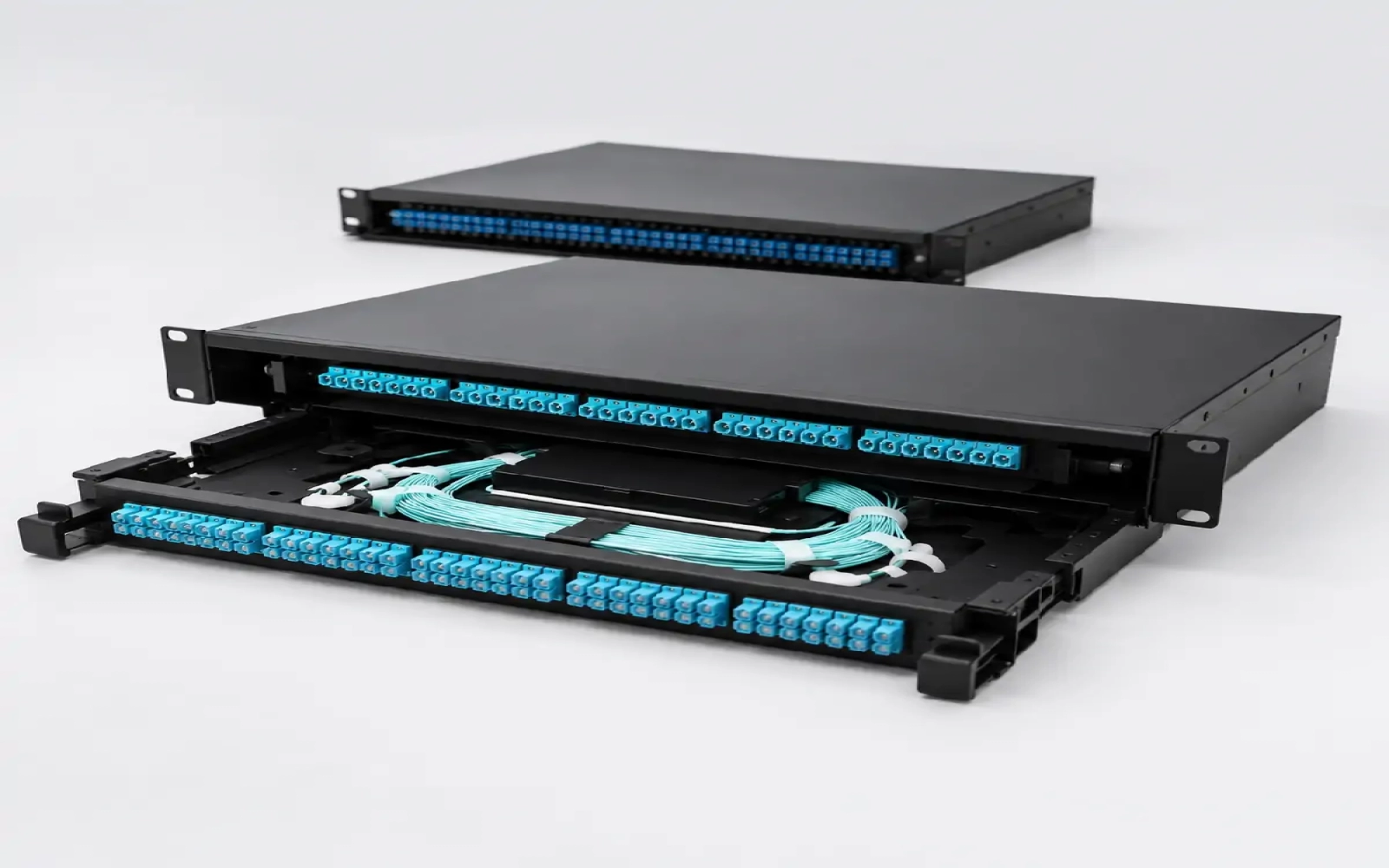
Explore high-density patch panels, cassettes, termination and distribution hardware, ODF frames and cabinets for organized fiber network deployment.
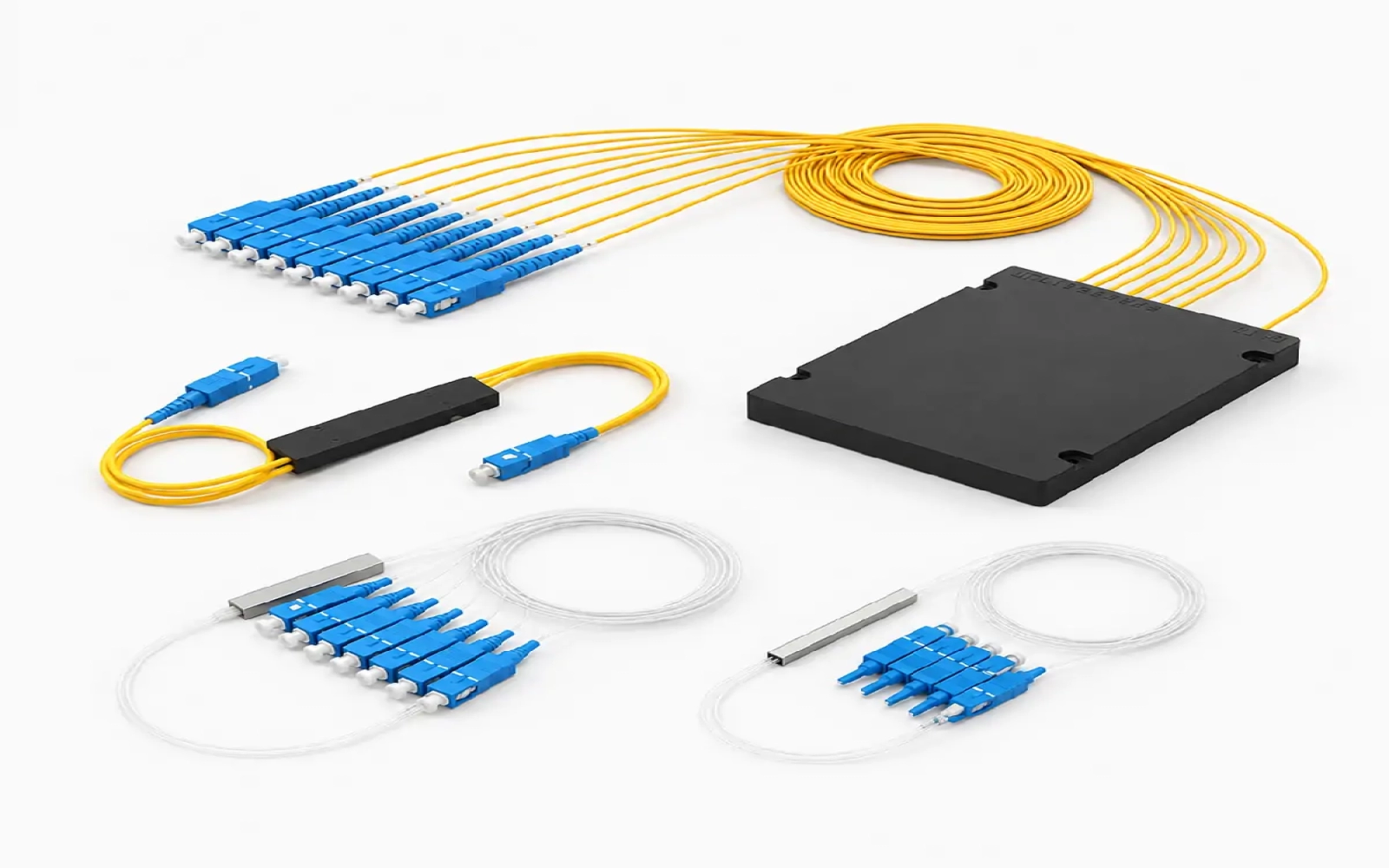
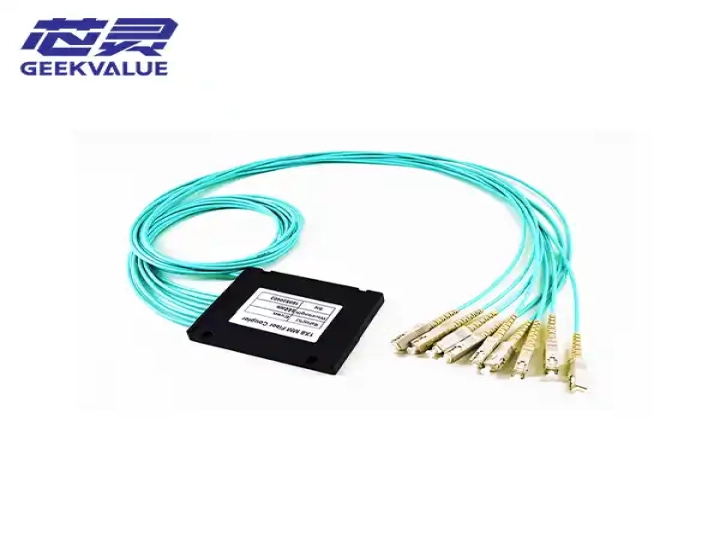
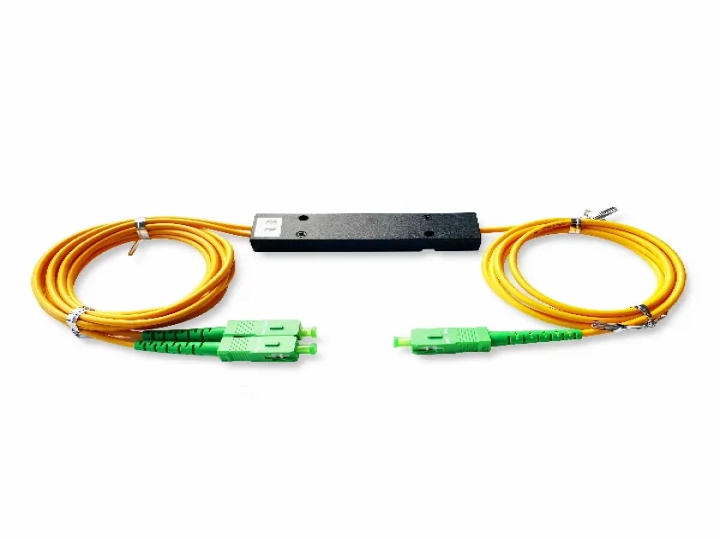
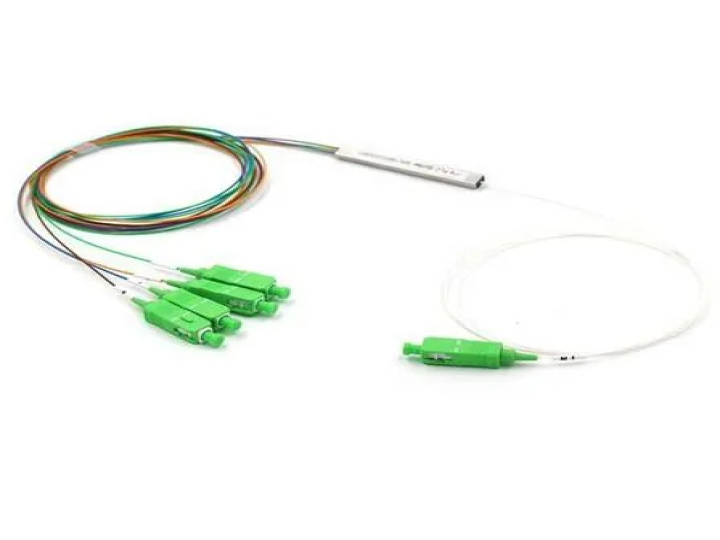
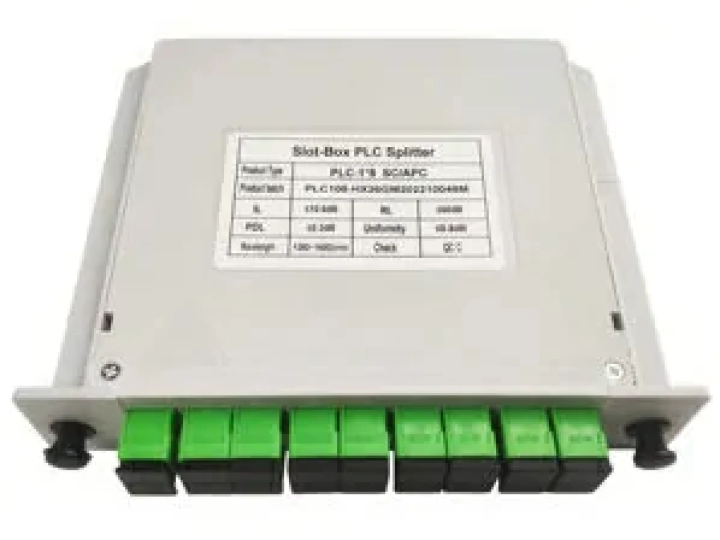
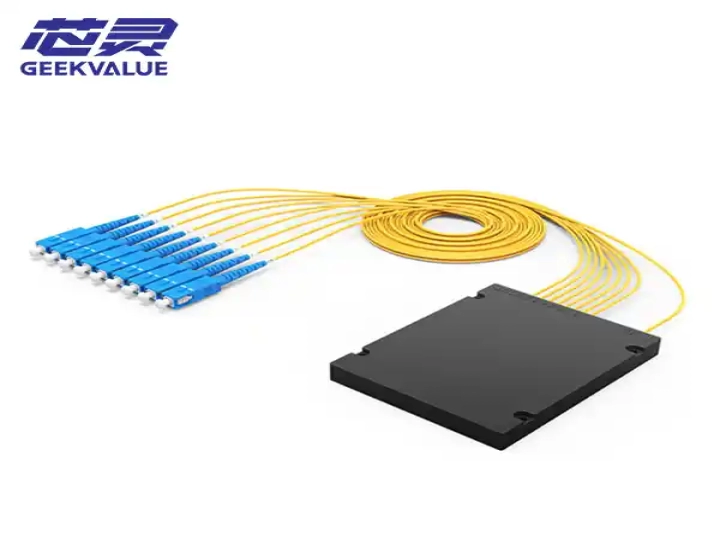
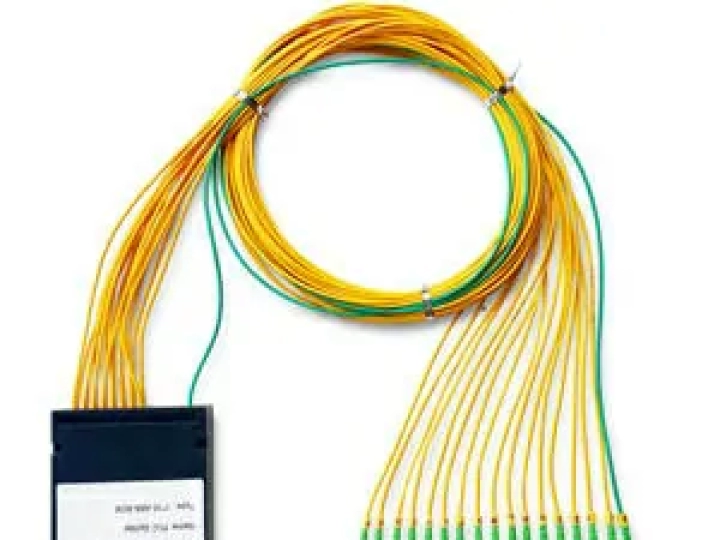
Explore PLC and FBT fiber optic splitters for FTTH, passive optical networks and optical signal distribution across different network applications.
Use the product catalog as the starting point, then confirm stock, quantity and configuration for the actual project. Standard products and project-specific requirements can be reviewed together before ordering.
Check current availability for fiber cables, connectivity products, distribution hardware, splitters and optical transceivers before planning the order.
For project quantities, recurring purchases or staged supply, send the product family, expected quantity and delivery requirement for review.
Cable length, fiber count, connector type, packaging and other project-specific details can be checked against the selected product before quotation.
Common questions across fiber optic cables, connectivity, optical transceivers, distribution hardware and splitters. Product-specific specifications should still be confirmed on the relevant category or product page.
Single-mode fiber carries light through a much smaller core and is commonly used for longer-distance links. Multimode fiber supports multiple propagation modes and is commonly used for shorter links such as building and data center connections. The equipment interface, distance and required data rate should be checked before choosing the fiber type.
Start with the installation environment. Indoor cable selection is influenced by building routing and fire requirements; outdoor cable must match outside-plant exposure and installation method; utility cable families such as ADSS or OPGW are used when the route is associated with power or utility infrastructure.
A patch cord is normally connectorized at both ends for direct connection between ports or equipment. A pigtail has a connector at one end while the other end is prepared for splicing or field termination.
MPO describes the standardized multi-fiber push-on connector interface. MTP® is a US Conec brand of MPO-type connector. For a real link, fiber count, polarity, keying, connector gender and the connected equipment should be checked rather than relying on the connector name alone.
A pluggable transceiver with separate fiber gives more flexibility in reach and cabling. An AOC integrates optical conversion into a fixed cable assembly, while a DAC uses direct-attach copper and is mainly suited to short-reach connections. Port type, data rate, link length and equipment compatibility should decide the final option.
Confirm where the hardware will be installed, required fiber or port capacity, connector interface, splice or patching function, cable entry and routing, and whether indoor or outdoor protection is required. These factors usually determine the appropriate distribution format.
PLC splitters use planar lightwave circuit technology, while FBT splitters use fused biconical taper technology. PLC is commonly considered for structured multi-output splitting, while FBT can suit lower-port or specific coupling-ratio requirements. The actual split ratio, wavelength range, package and optical specifications should be confirmed on the selected device.
Send what you already know: application, connected equipment, product family or reference model, fiber type or count, connector or interface, length or quantity, installation environment, and any photo, drawing or specification. A complete part number is useful but is not required to start the review.