
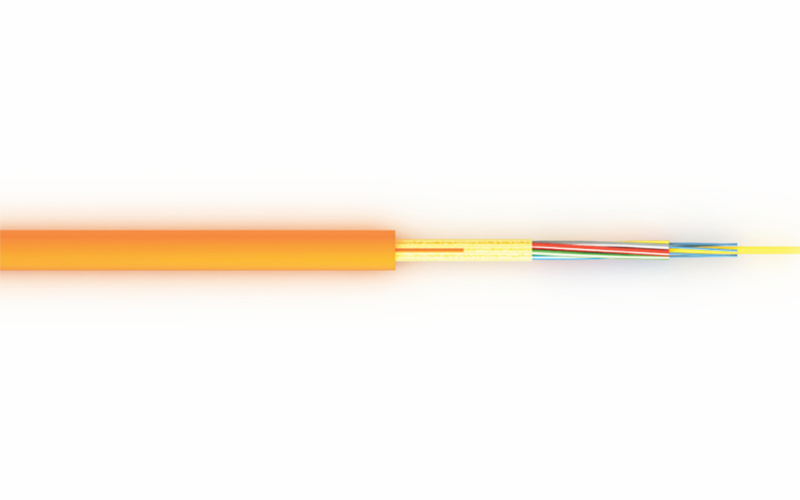
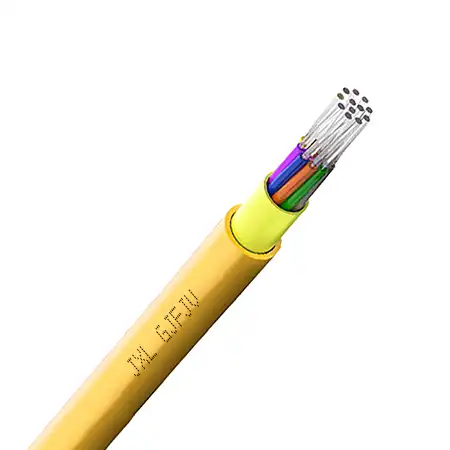
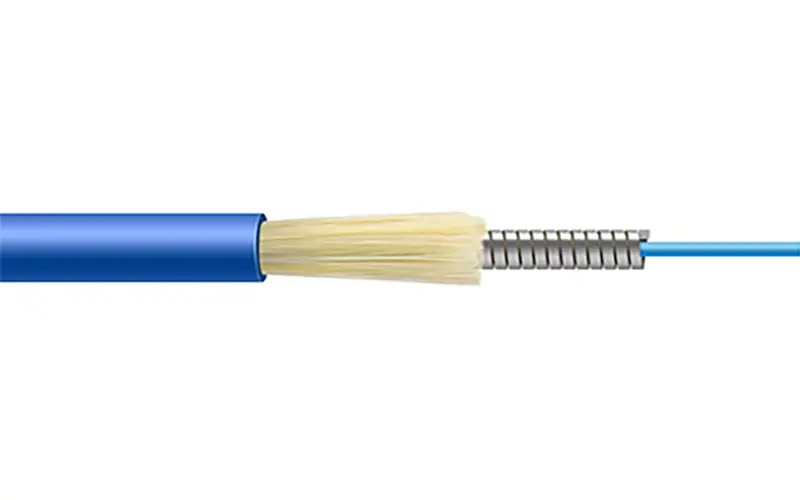
Indoor Fiber Optic Cables with tight-buffered, aramid-reinforced construction. Available in PVC and LSZH jackets, supporting single-mode and multimode fibers with multiple fiber counts and soft-armored options.
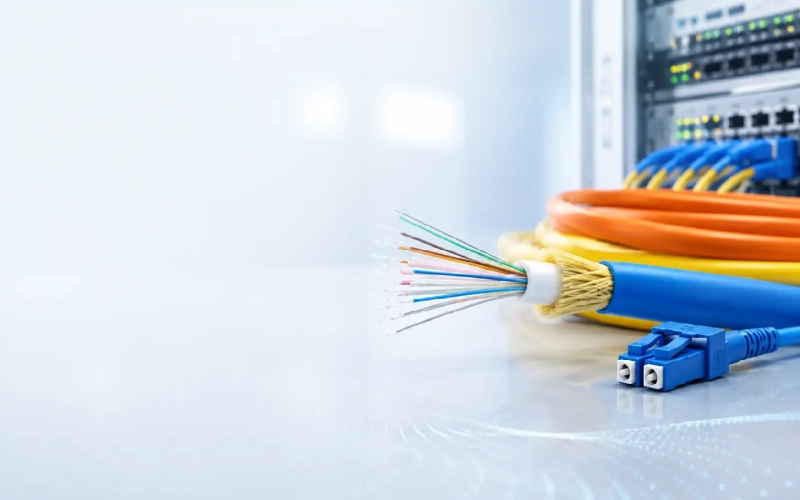
Fiber Optic Cables deliver consistent high-speed transmission for telecom, utility and specialist networks. Indoor variants support building backbones and equipment room cabling. Loose-tube and armored cables withstand outdoor conditions for aerial, duct and direct-burial deployment. Multiple fiber counts and structures fit varied site conditions, with custom builds available for unique project demands.
Fiber count 2–288F · Jacket LSZH / PE / PVC · Standards ITU-T G.652.D, G.657.A1/A2, IEC 60794 · OEM / ODM available
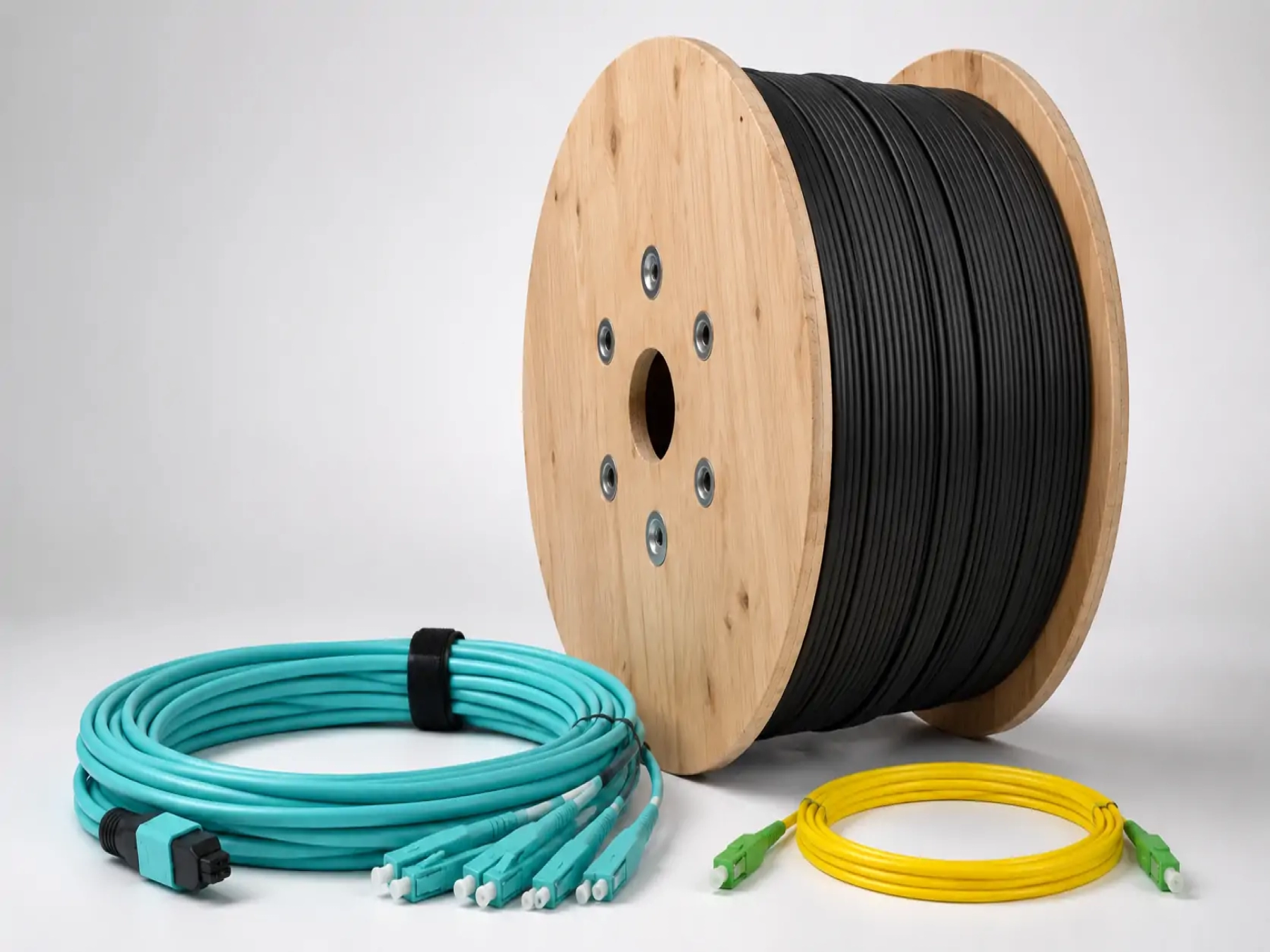
Start with where the cable will run. The installation environment narrows the cable family before fiber count, construction, protection and other project details are confirmed.
Indoor Fiber Optic Cables with tight-buffered, aramid-reinforced construction. Available in PVC and LSZH jackets, supporting single-mode and multimode fibers with multiple fiber counts and soft-armored options.
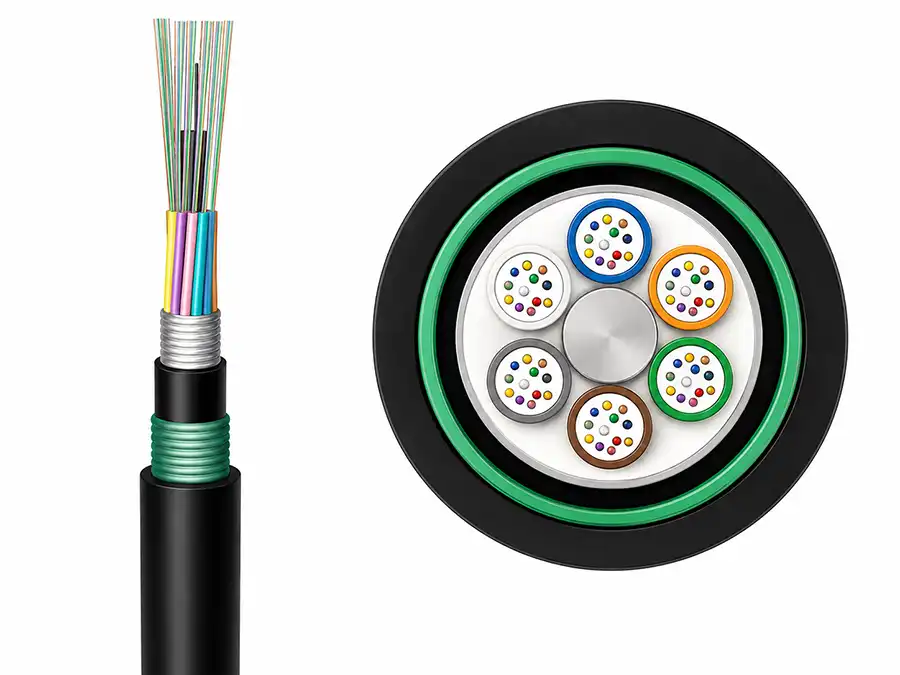
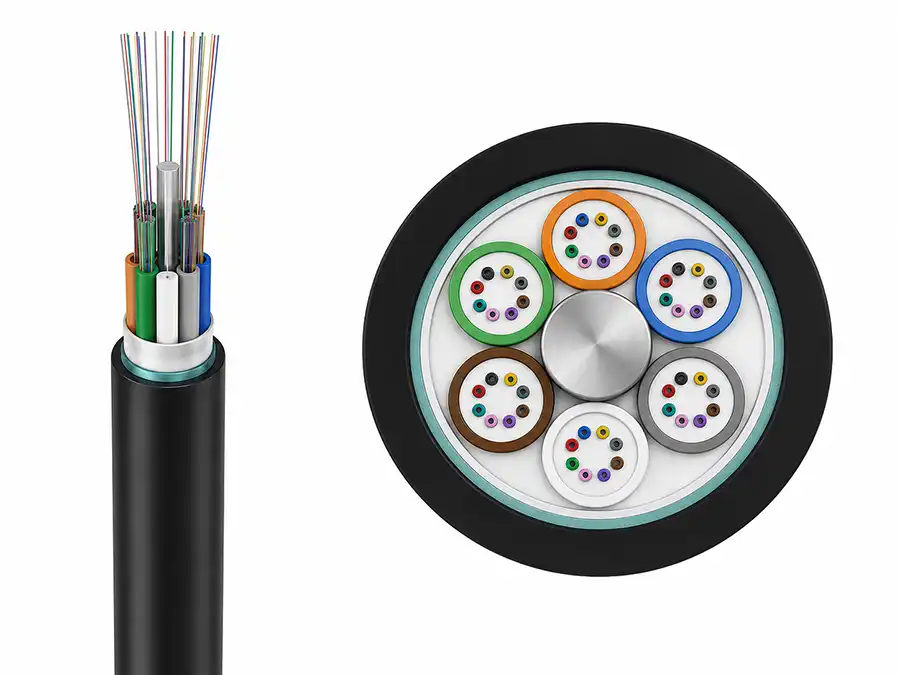
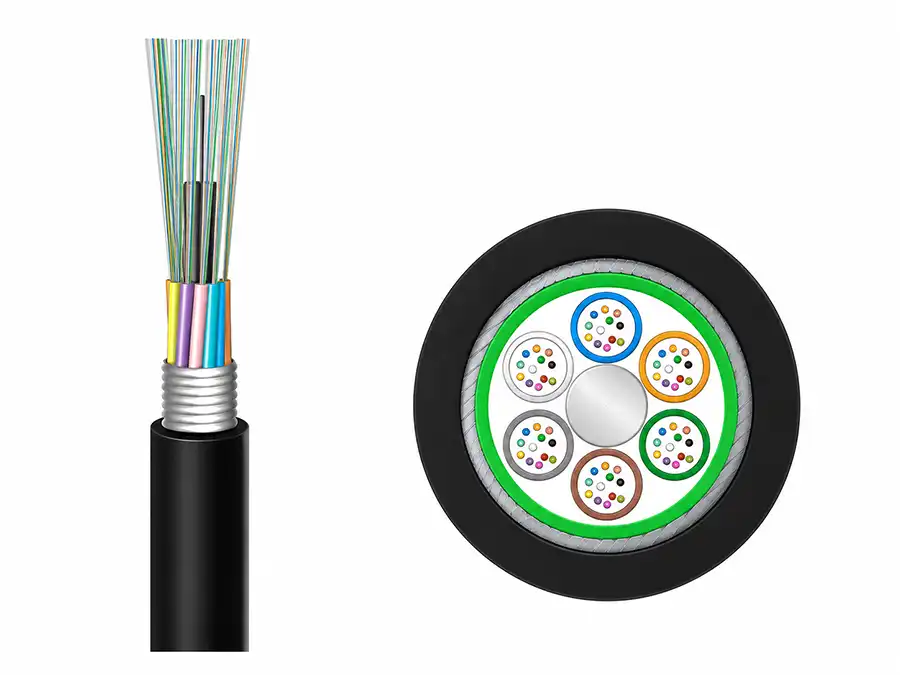
Outdoor Fiber Optic Cables feature reinforced structures for strong mechanical performance. UV, corrosion and moisture resistant outer jackets maintain stable high-speed optical transmission.
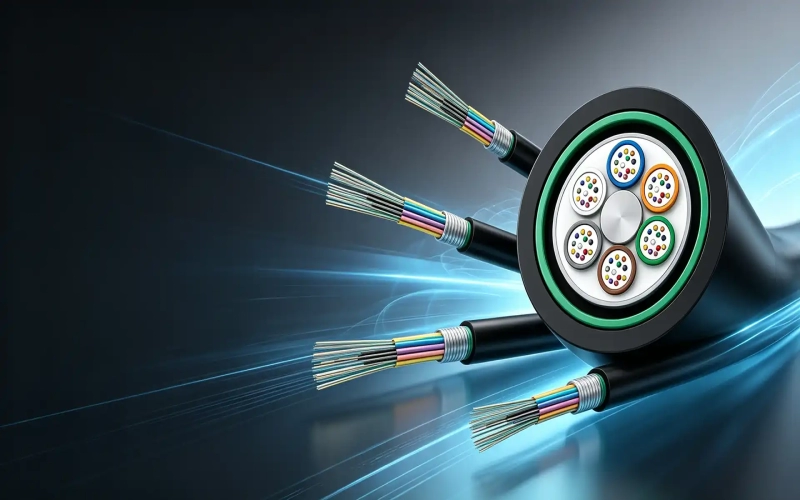
Browse representative products across the main cable families. Each product page lists construction, application and available commercial terms.
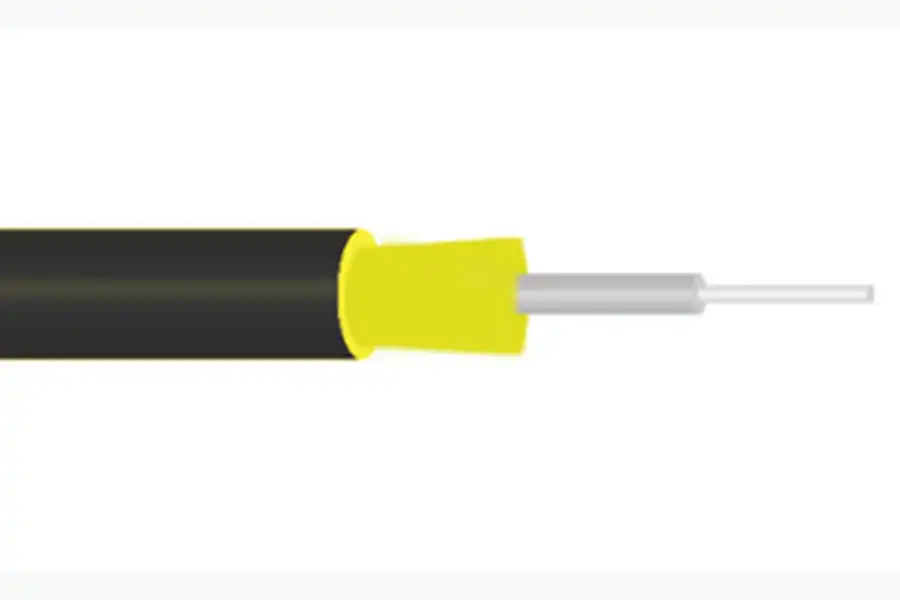
Every cable is drawn, cabled and sheathed in our own factory. No trading layer, no markup chain — factory pricing applies to every order.
Buy directly from the production line. Factory pricing applies regardless of order volume.
Cable marking, jacket print, drum labeling and packaging produced under your brand from the first run.
Custom cable constructions designed by our engineering team — fiber type, count, jacket, strength member and water-blocking to spec.
Sample cables up to 100m in 3–5 working days. Standard production 15–20 working days; custom 25–30 working days.
Once the cable family is clear, use the actual route and network requirements to narrow construction and configuration. Expand each factor for the specific parameters.
Overhead / Aerial: Use ADSS or figure-8 cable with messenger wire. Typical span 50–800m depending on NESC / CSA loading zones.
Duct / Underground: Loose tube cable with PE outer sheath and water-blocking tape. Steel tape or aluminum armor recommended for rodent-prone areas.
Indoor / Riser: Tight-buffered or breakout cable with LSZH jacket. Plenum-rated required for air-handling spaces.
Single-mode: G.652.D for long-haul and metro; G.657.A1/A2 for bend-insensitive FTTH drop and tight-bend installations.
Multi-mode: OM3 / OM4 / OM5 for data center and short-reach high-speed links.
Fiber count: 2–288F standard. Higher counts available on request with custom cable construction.
Loose tube: Fibers inside a gel-filled or dry tube — standard for outdoor and long-distance runs.
Tight buffered: Protective layer directly on each fiber — easier termination, better for indoor and short runs.
Central tube: Compact single-tube design for FTTH drop and small-count applications.
Armor options: Corrugated steel tape, aluminum tape or stainless steel for rodent, crush and impact resistance.
Strength member: FRP, steel wire or aramid yarn selected by tensile load and span requirement.
Crush resistance: Long-term and short-term crush values verified per IEC 60794-1-2.
Temperature range: Standard outdoor −40°C to +70°C. Industrial and harsh-environment constructions available.
Fire performance: LSZH, plenum or riser-rated jackets depending on indoor fire code requirements.
Compliance: RoHS and CPR documentation supplied where required; third-party test reports available per destination market.
We are a fiber optic cable manufacturer with in-house drawing, cabling and sheathing lines. All cables are produced in our own factory and supplied direct to the customer.
Indoor fiber optic cables use tight-buffered construction with LSZH jacket for riser and plenum installations. Outdoor fiber optic cables use loose-tube construction with water-blocking and PE or armored sheath for duct, direct-burial and aerial installations.
Yes. Cable marking, jacket print, packaging and drum labeling can be customized to your brand. ODM construction design is supported by our in-house engineering team.
MOQ depends on cable family and construction. Standard loose tube and FTTH drop cables typically start at 1km. Custom constructions require 5–10km.
Yes. Sample cables up to 100m are available for standard constructions. Sample lead time is 3–5 working days.
FOB Shanghai or Ningbo. Standard lead time: 15–20 working days after deposit. Custom constructions: 25–30 working days.
A clear cable recommendation starts with the installation conditions rather than only a product name. Send what is already available on WhatsApp and the remaining specification can be narrowed from there.
You do not need every detail before contacting us. An application condition, an existing cable reference, a drawing or a photograph is enough to start the review.