

Bandwidth & Density
Port count, fiber count, transmission capacity, rack or cabinet density, and future growth change how much connectivity and distribution capacity is needed.
Explore fiber optic applications for data centers, telecom and 5G networks, and industrial environments, with network requirements connected to relevant solutions and product families.
Start with the environment in which the network operates. Each industry page narrows the deployment conditions, network priorities, relevant solution paths, and product families before detailed configuration.
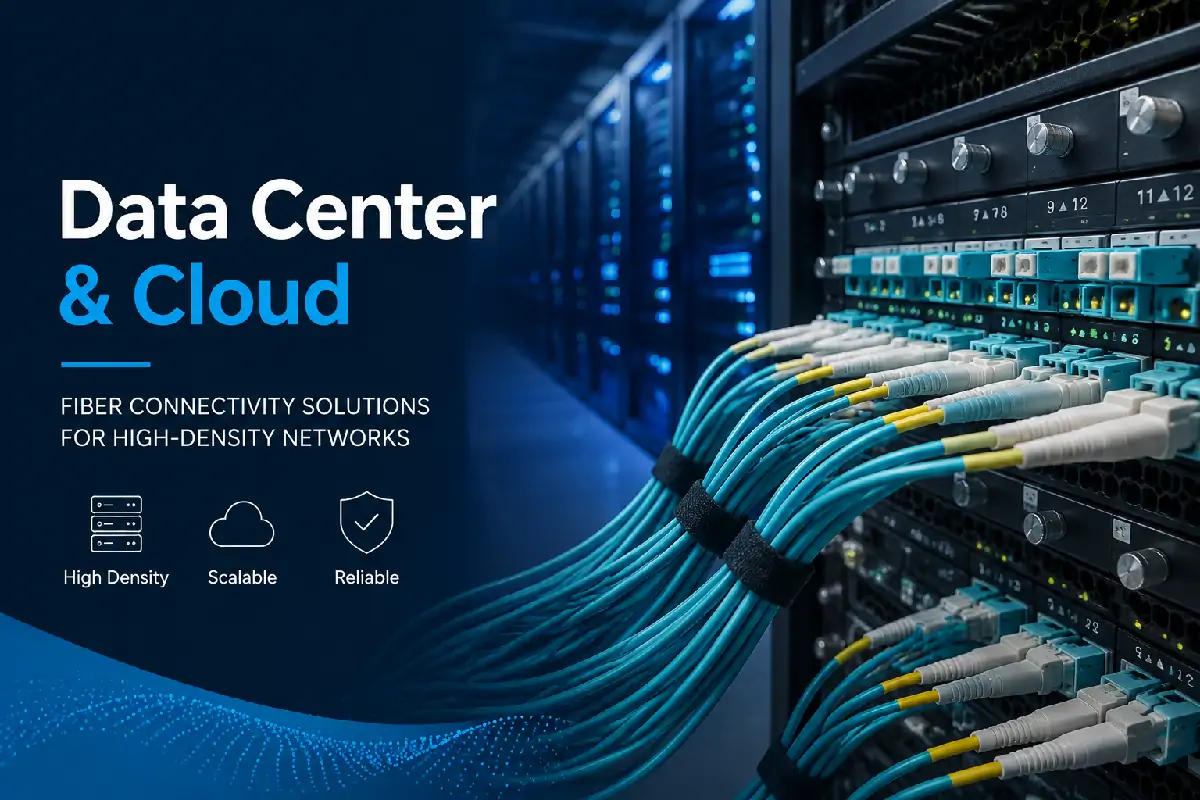
Explore fiber infrastructure for data center environments, including high-density cabling, optical connectivity, distribution hardware and transceiver connections for scalable network deployment.
Explore Data Center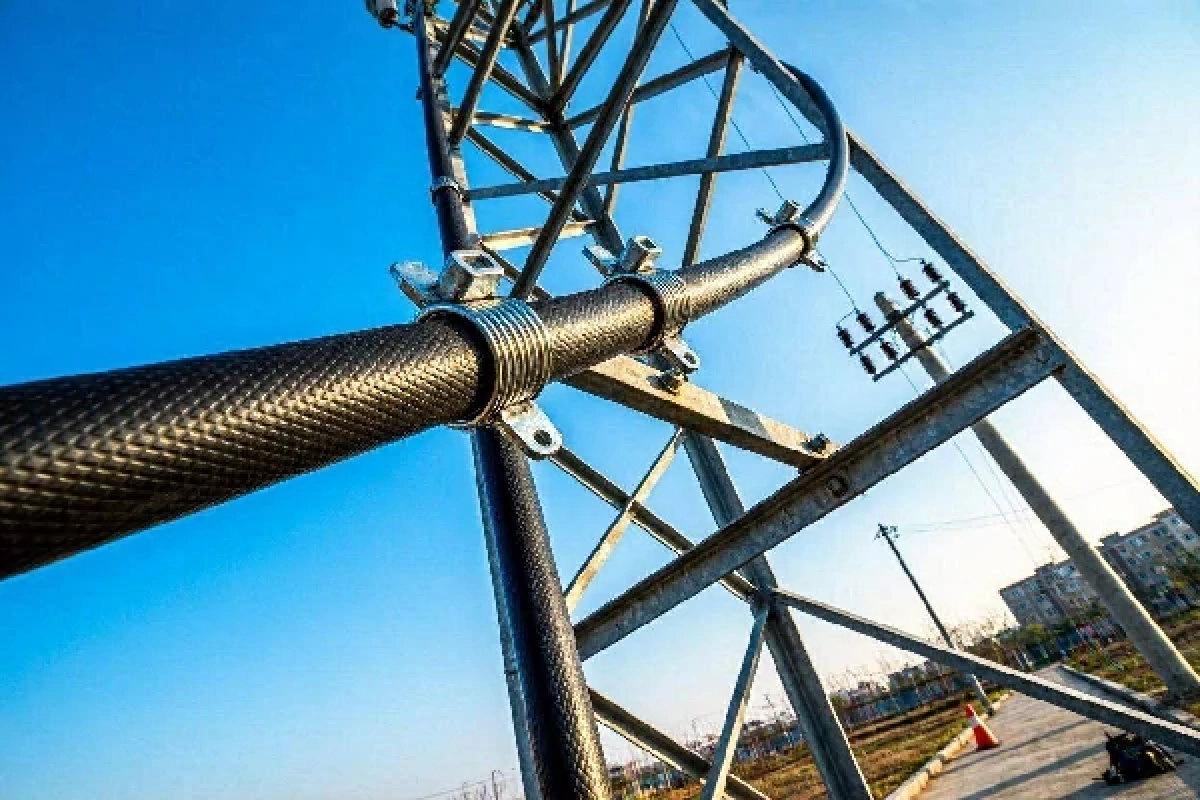
Explore fiber optic infrastructure for telecom and 5G networks across access, outside plant, central office and radio-site deployment using suitable cables, connectivity and distribution products.
Explore Telecom & 5G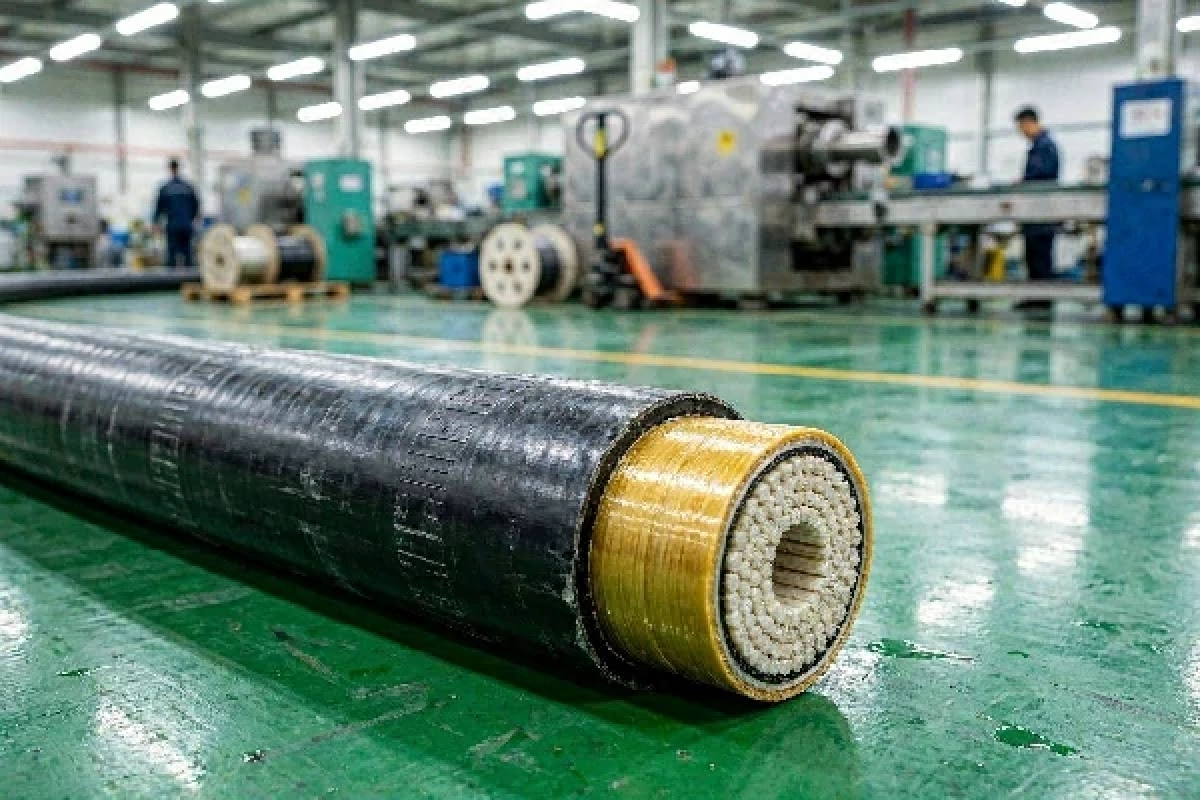
Explore fiber optic connectivity for manufacturing facilities and industrial networks where equipment interfaces, routing, mechanical protection and operating conditions affect product selection.
Explore Industrial & ManufacturingThe product family may be familiar, but the practical choice changes with bandwidth, environment, interfaces, installation conditions, maintenance, and future expansion.
Port count, fiber count, transmission capacity, rack or cabinet density, and future growth change how much connectivity and distribution capacity is needed.
Indoor, outdoor, factory, aerial, duct, cabinet, or field deployment changes the required cable construction, enclosure, and mechanical protection.
Connected equipment, connector formats, fiber type, topology, distribution points, and available space determine which product combinations fit the network.
Routing access, pulling and bending conditions, testing, replacement, labeling, modularity, and reserve capacity affect the long-term deployment direction.
An industry defines the operating context. The relevant solution page then focuses on the access, distribution, connectivity, protection, or network task that must be completed within that environment.
Plan fiber access from outside-plant distribution to splitting, termination and subscriber connections using cables, spl...
Plan high-density data center fiber links with MPO/MTP cabling, patching, distribution hardware, fiber connectivity and ...
Plan fiber backbone and distribution routes across buildings, equipment rooms and campus networks using suitable cables,...
Plan aerial, duct, buried and other outside-plant fiber routes with suitable outdoor cables, splice protection, distribu...
Plan fiber connections between baseband, tower and radio-side equipment using outdoor fiber assemblies, rugged connectiv...
Plan fiber communication routes for utility and power infrastructure using ADSS, OPGW and related fiber cabling, connect...
After the industry and network direction are clear, product availability, configuration, and project quantities can be reviewed against the actual requirement. Specific stock, customization, and delivery conditions depend on the product and project scope.
Availability can be checked for the required product family, specification, quantity, and delivery schedule rather than assuming every configuration is in stock.
Length, connector format, cable construction, labeling, packaging, and other options can be reviewed where the selected product supports them.
Use the industry and solution context to narrow the relevant cables, connectivity, distribution hardware, transceivers, splitters, and supporting components.