
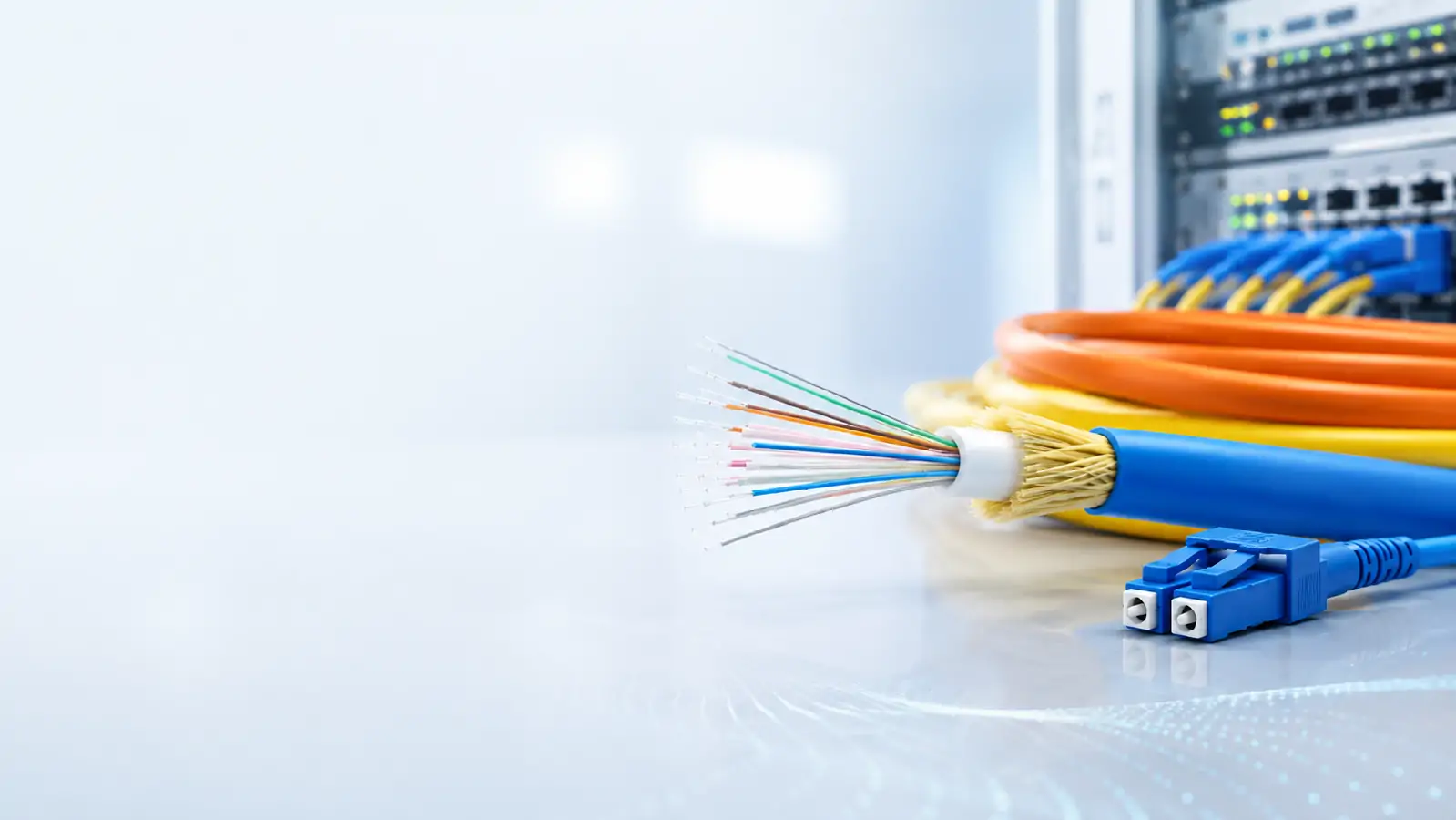
Indoor Fiber Optic Cables
Indoor Fiber Optic Cables with tight-buffered, aramid-reinforced construction. Available in PVC and LSZH jackets, supporting single-mode and multimode fibers with multiple fiber counts and soft-armored options.
Review the intended environment, route, equipment, enclosure, or network position.
Compare the required interface, structure, capacity, dimensions, and compatibility.
Confirm quantity, length, labeling, testing, accessories, packing, and destination.
Available Indoor Fiber Optic Cables
Open an individual product page to review the published information and submit the known configuration, quantity, or project requirements.
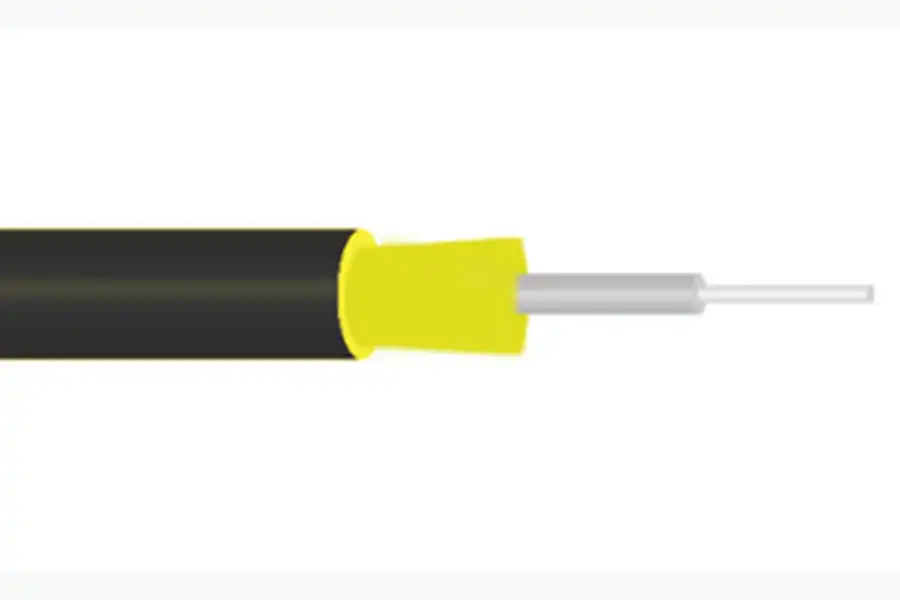
GJFJV Simplex & GJFJBV Duplex Indoor Fiber Cable
GJFJV simplex and GJFJBV duplex tight-buffered indoor fiber cables with aramid yarn, PVC or LSZH jackets, and single-mode or multimode fiber options.
View Product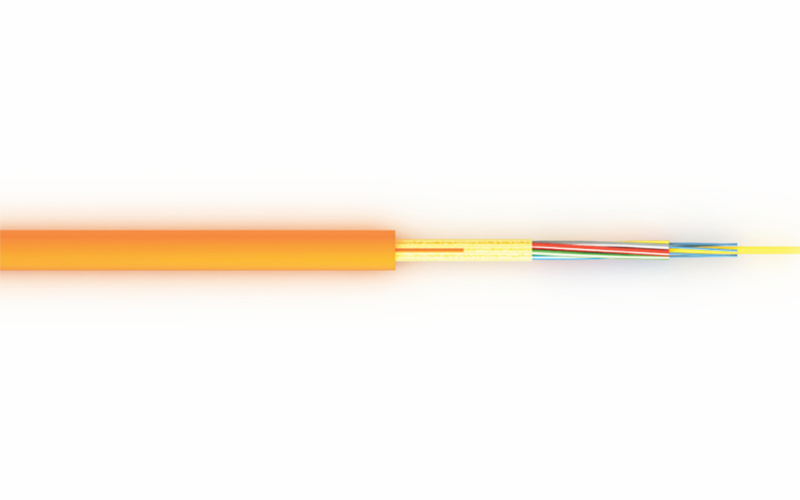
GJFJV Indoor Fiber Optic Cable 2–24 Core for Indoor Cabling
GJFJV indoor fiber optic cable available in 2–24 core. High-performance indoor optical fiber cable for building internal network and communication cabling.
View Product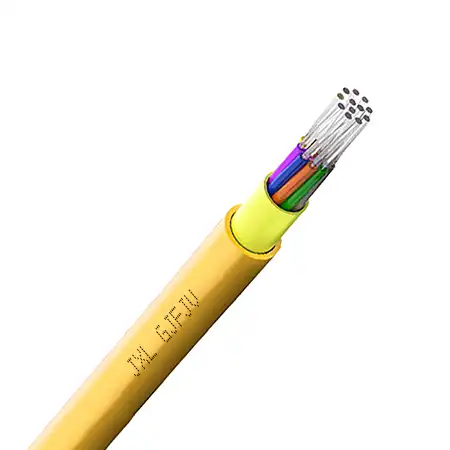
GJFJV Indoor Distribution Fiber Optic Cable
GJFJV indoor distribution fiber optic cable with 2–24 tight-buffered fibers, aramid yarn reinforcement, and PVC or LSZH jacket options.
View Product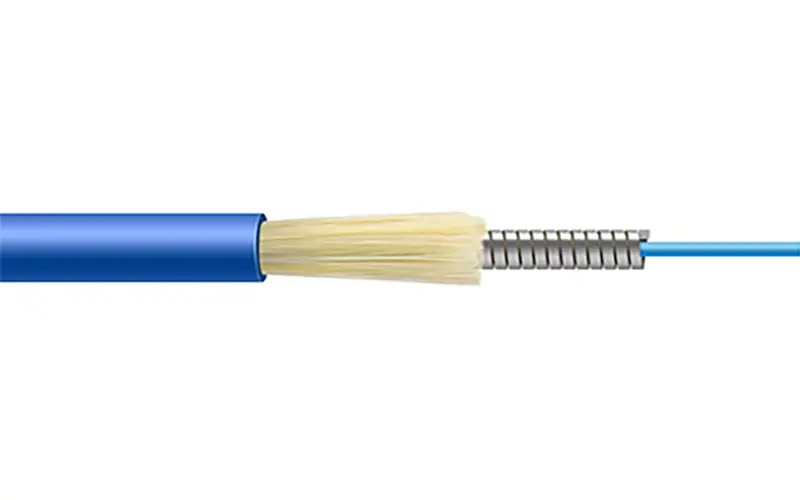
Soft Armored Fiber Optic Cable
A soft armored fiber optic cable with a flexible protective structure for routes where additional mechanical protection and manageable cable routing are required. Fiber type, fiber count, jacket, dimensions, length, and supply format should be confirmed for each project.
View ProductIndoor fiber optic cables are used to carry optical signals through protected building routes, equipment areas, internal communication spaces, and other environments where cable construction must match the installation method. The right cable is not selected by product name alone. Routing conditions, fiber requirements, flexibility, mechanical protection, termination, and delivery format all affect the final choice.
Where Indoor Fiber Optic Cables Are Used
Building Backbones and Internal Routes
Indoor cables can support communication links between equipment rooms, floors, cabinets, distribution points, and other protected areas inside a building. The route may pass through trays, conduits, risers, ceilings, or dedicated cable pathways.
Equipment Rooms and Data Networks
Cables installed around racks, cabinets, patching areas, and network equipment may require a compact structure, manageable bend performance, clear identification, and compatibility with the intended termination or connection method.
Industrial and Controlled Indoor Areas
Some indoor applications require additional mechanical protection because the cable passes near machinery, production equipment, moving components, or areas where crushing, bending, pulling, or accidental contact may occur.
How to Select an Indoor Fiber Optic Cable
Start with the actual cable route. A cable installed in a protected conduit may need a different construction from one routed openly between equipment or through an area exposed to repeated handling. After the route is clear, the fiber specification, cable structure, jacket, reinforcement, and delivery format can be reviewed together.
| Selection Point | What to Confirm | Why It Matters |
|---|---|---|
| Fiber type | Single-mode or multimode fiber and any required compatibility with the existing network. | The fiber specification must match the equipment, link design, and existing optical infrastructure. |
| Fiber count | The number of fibers needed now and whether additional capacity may be required. | Fiber count affects cable size, internal construction, termination, and future expansion options. |
| Cable construction | Tight-buffered, distribution, breakout, armored, or another structure suited to the route. | The construction influences flexibility, handling, mechanical protection, and installation method. |
| Indoor environment | Tray, conduit, riser, ceiling, cabinet, equipment room, or other protected internal route. | The installation environment affects jacket, protection, bend conditions, and routing requirements. |
| Termination | Bulk cable, pre-terminated assembly, connector type, branch structure, or prepared cable ends. | The termination format affects installation time, field work, equipment connection, and delivery scope. |
| Project delivery | Required length, quantity, labeling, testing, packing, reel format, and destination. | These details help define the exact supplied configuration and reduce uncertainty before production or shipment. |
Common Indoor Cable Construction Considerations
Indoor fiber optic cables may use different internal structures depending on how they will be installed and handled. A compact distribution cable may be suitable where multiple fibers need to pass through a protected route. A breakout construction can provide separately protected subunits for easier branch handling. Tight-buffered designs may support internal routing and termination work, while armored options may be considered where additional mechanical protection is needed.
These construction names should be treated as a starting point rather than a complete specification. The actual cable should be reviewed against the route, pulling method, bend conditions, required fiber count, cable diameter, termination, and surrounding equipment.
Information That Helps Us Review Your Requirement
The building area, equipment, cabinet, conduit, tray, or internal route where the cable will be installed
The required single-mode or multimode fiber and the number of fibers
Whether the cable should be supplied in bulk or as a terminated assembly
The required length, connector type, branch layout, labeling, testing, and quantity
A photo, drawing, existing cable marking, reference product, or sample when available
Not sure which indoor cable construction is suitable?
Share the installation route and the information already available. The cable structure, fiber specification, protection, termination, and remaining configuration points can then be reviewed around the actual project instead of relying only on a general product name.
Cannot find the exact configuration?
A complete specification is not required before contacting us. Share the information already available, and the remaining configuration points can be reviewed around the actual application.