

Optical Transceiver Manufacturer · 1G to 800G
Optical Transceivers
Optical transceivers enable bidirectional conversion between optical and electrical signals for fiber transmission. Ranging from 100G to 800G, these pluggable modules come in SFP, QSFP-DD and OSFP form factors. They support short-reach to long-haul transmission over single-mode and multimode fiber, offering stable high-density connectivity with custom compatibility and OEM options.
1G–800GData rates available
SFP to OSFPPluggable formats
MMF & SMFFiber interfaces
Product Overview
What Is an Optical Transceiver?
An optical transceiver is a pluggable module that converts electrical data from a switch, router, server or network interface into optical signals for transmission over fiber—and converts received light back into electrical data.
The correct module is determined by more than data rate. Form factor, optical standard, fiber type, connector, transmission distance and host compatibility must work together. GK Fiberoptic supplies modules from 1G to 800G and currently presents its 100G, 400G and 800G ranges online.
High-Speed Product Range
Explore 100G, 400G and 800G Optical Transceivers
Choose a speed family to view the actual products published in that category. Each module links directly to its product page.
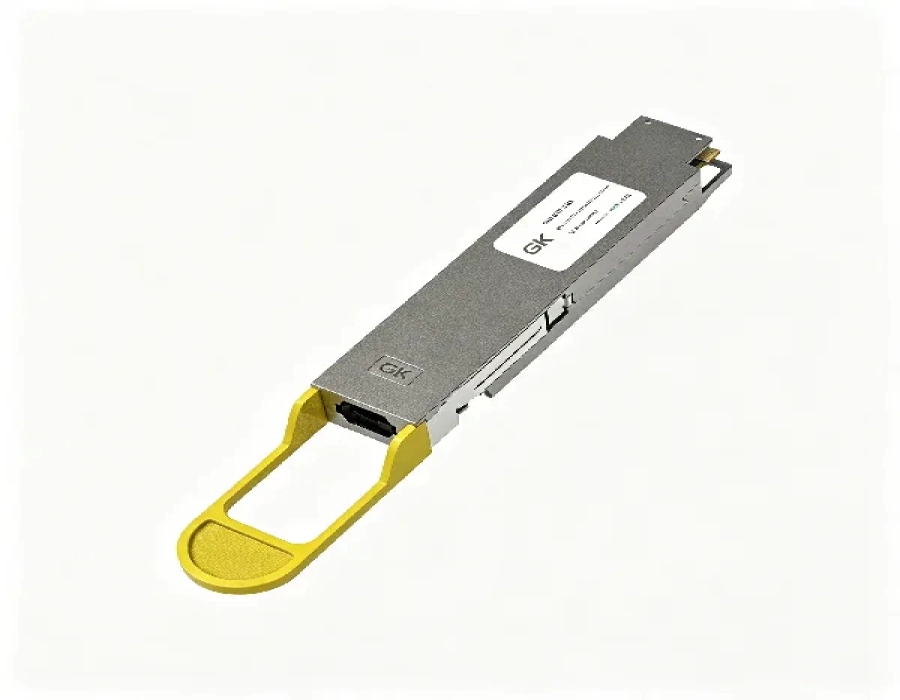
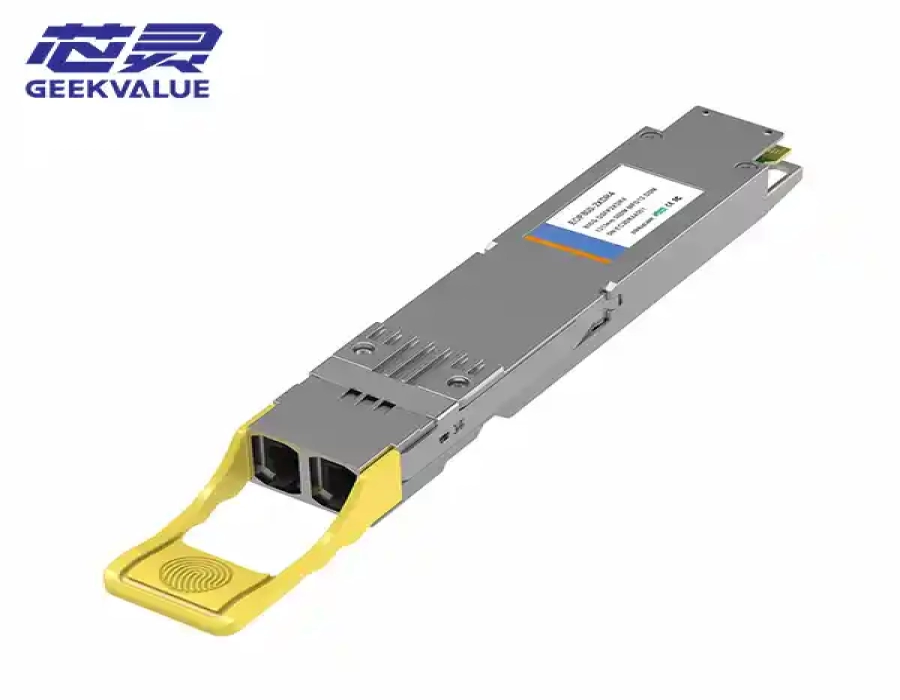
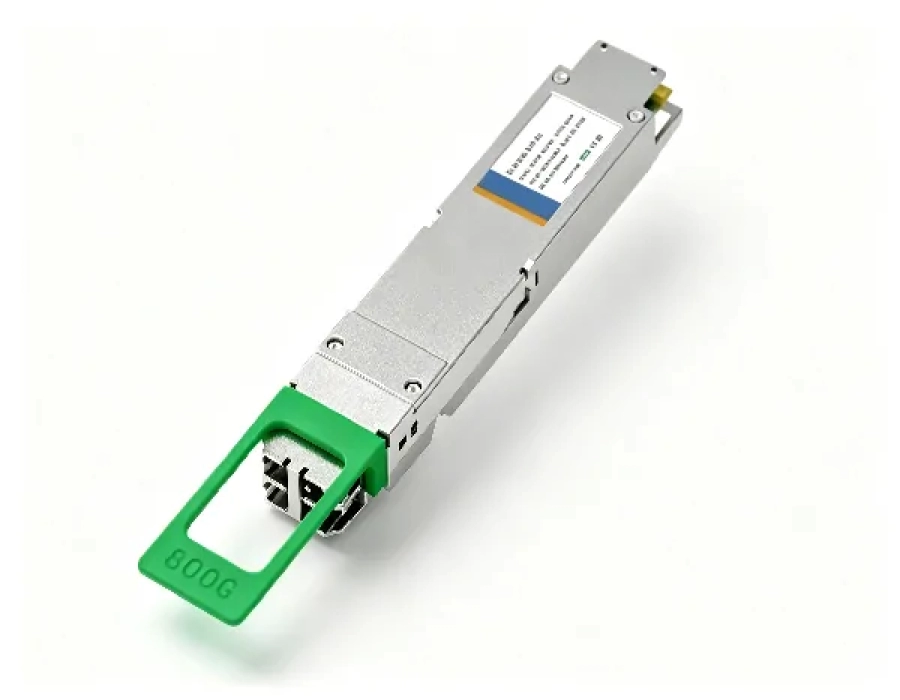
800 Gigabit Ethernet
800G Optical Transceivers
OSFP and QSFP-DD modules for next-generation switching, AI accelerator clusters and high-performance computing. Selection depends on the host, fiber architecture and reach.
View All 800G Products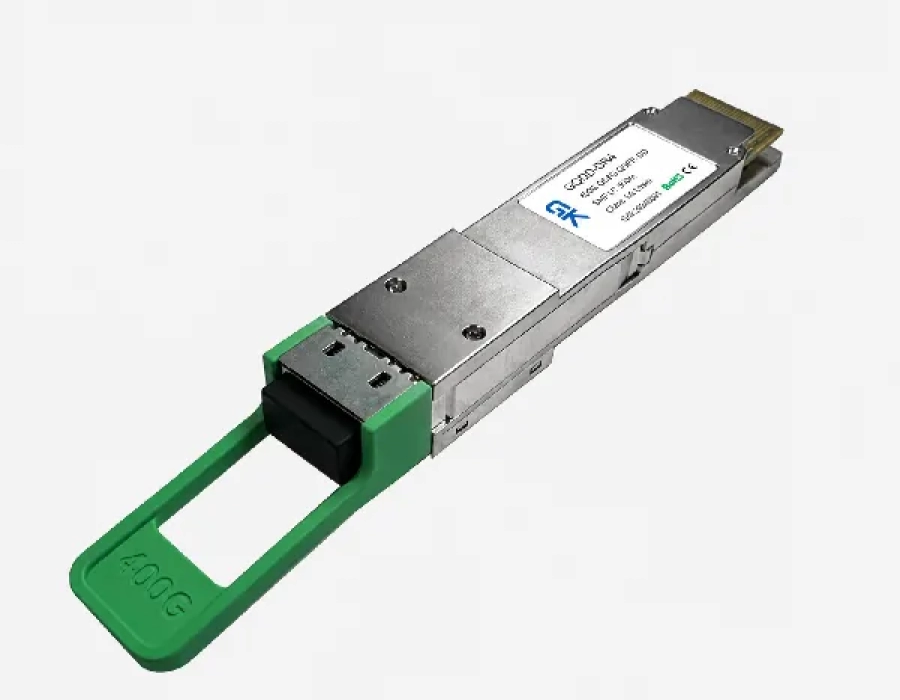
400G QSFP-DD FR4 2km Optical Transceiver
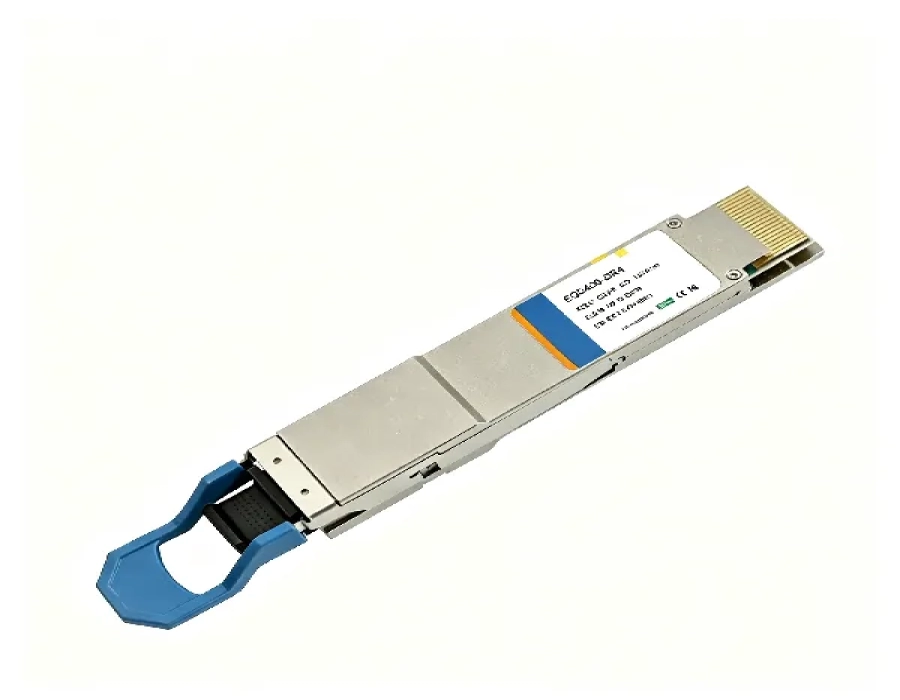
400G QSFP-DD DR4 500m Optical Transceiver
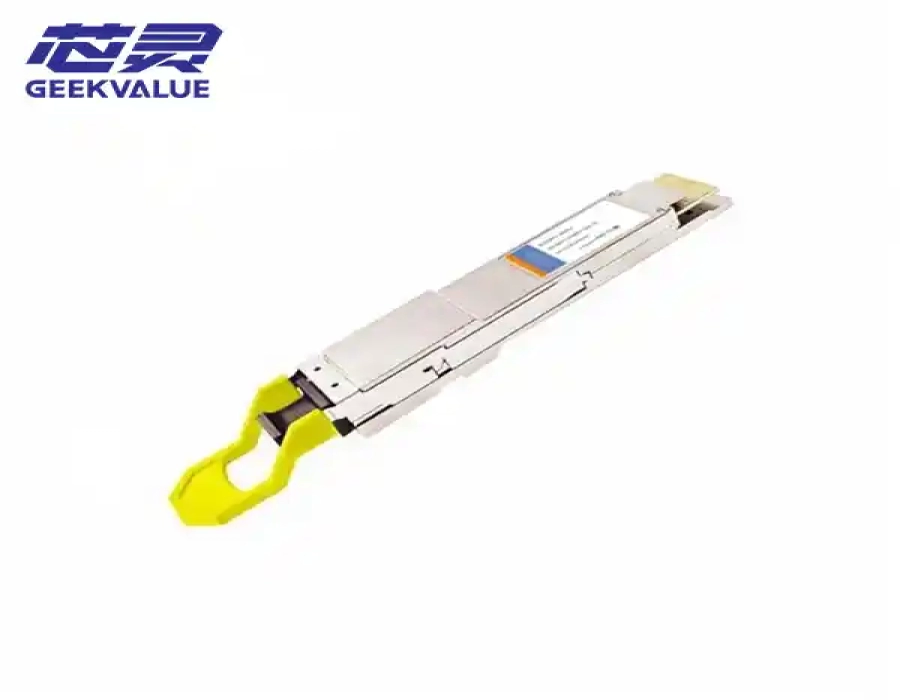
400G QSFP-DD SR8 100m Optical Transceiver
400 Gigabit Ethernet
400G Optical Transceivers
High-density optics for 400G switching, AI fabrics and data center interconnect. Select QSFP-DD, OSFP or platform-specific formats according to reach and host requirements.
View All 400G Products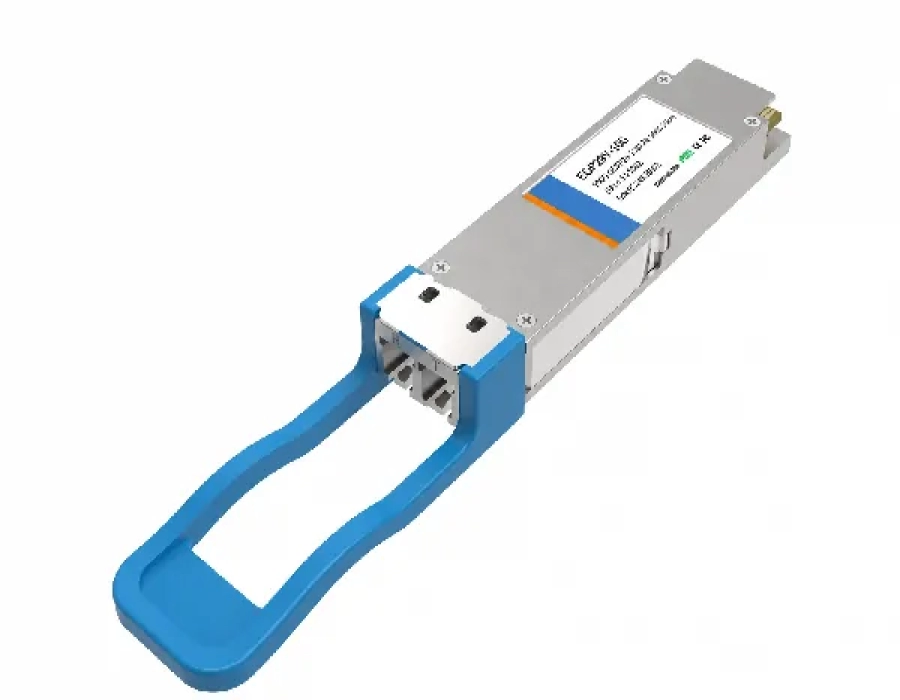
100G QSFP28 LR4 10km LC Optical Transceiver
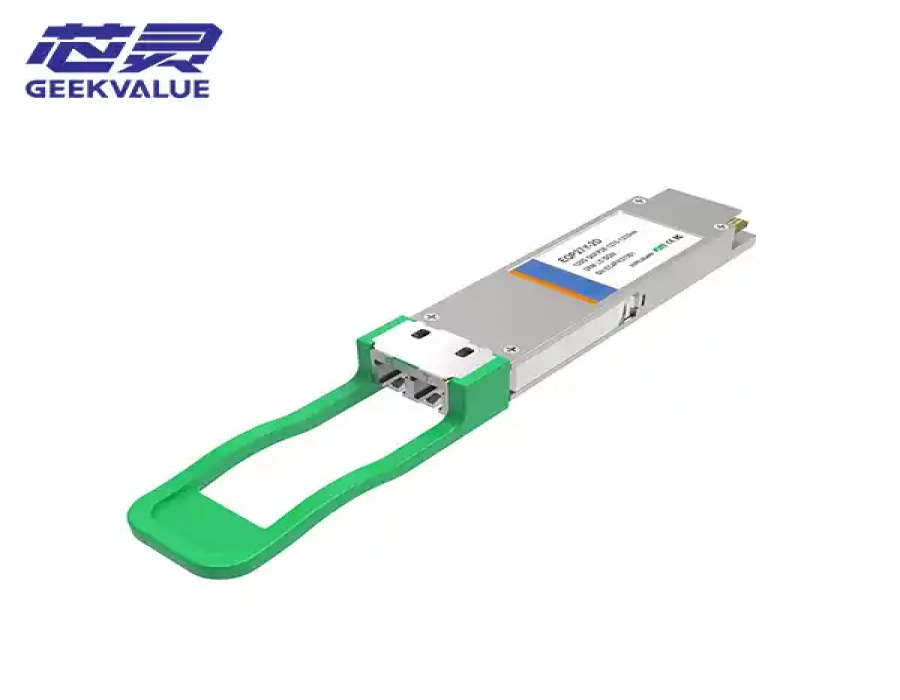
100G QSFP28 ER1 BiDi 40km LC Optical Transceiver
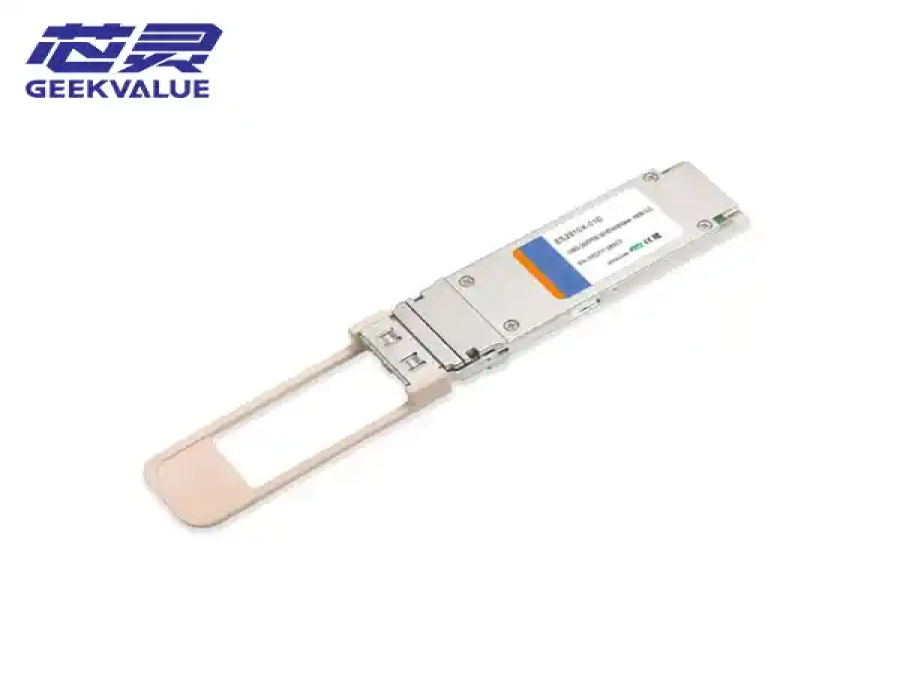
100G QSFP28 SWDM4 100m LC Optical Transceiver
100 Gigabit Ethernet
100G Optical Transceivers
QSFP28 modules for data center leaf-spine links, enterprise core networks, telecom aggregation and DCI. Options may include SR4, CWDM4, LR4, DR, FR and BiDi interfaces.
View All 100G Products1G–50G modules are also available for enterprise, industrial and telecom networks. Contact us with the required speed or existing part number while those ranges are being added online.
Practical Product Selection
How to Choose an Optical Transceiver
Most customers need four answers: will it work in the equipment, reach the required distance, connect to the installed fiber and remain available for repeat supply?
provide the equipment model or original module part number, data rate, transmission distance, fiber type and connector. These details allow the manufacturer to confirm the correct form factor, optical interface and compatible coding before quotation.
| Your Requirement | What It Determines | Common Options | Why It Matters |
|---|---|---|---|
| Equipment and port | Physical format and compatible coding | SFP+, SFP28, QSFP28, QSFP-DD, OSFP | A module can fit physically but still be rejected or unsupported by the host. |
| Data rate | Module family and lane design | 100G, 400G, 800G; straight or breakout | The host port mode and electrical lanes must support the same connection. |
| Distance | Optical interface and power budget | SR, DR, FR, LR, ER | Too little reach risks failure; unnecessary reach can increase cost and power. |
| Fiber and connector | The optical path | MMF or SMF; duplex LC or MPO/MTP | The module must match the installed cable, polarity and number of fibers. |
| Operating environment | Temperature and power class | Commercial or industrial temperature | Dense ports, outdoor cabinets and industrial sites can require different grades. |
| Quantity and supply plan | Sample, batch control and delivery | Samples, OEM labels, batch orders | Commercial terms follow after the technical configuration is confirmed. |
Available interfaces vary by product. Final selection should follow the product datasheet and host equipment requirements.
Manufacturer Support
What GK Fiberoptic Provides Beyond the Module
For distributors, integrators and network projects, the manufacturer’s role is to reduce specification risk and keep samples, batch supply and identification consistent.
Product Matching
Cross-reference the equipment, original part number and link requirement to identify the correct module and optical interface.
Compatibility Support
Confirm host coding, interface standard, fiber path and opposite-end requirements before order approval.
Samples and Batch Supply
Support evaluation samples, then retain the approved specification and inspection scope for repeat orders.
OEM and Project Delivery
Support customer part numbers, labels, packaging, order quantities and scheduled project supply.
Compatibility and Interoperability
A Matching Connector Does Not Guarantee Compatibility
A reliable link requires the host port, module, fiber path and opposite-end module to support the same operating conditions. We review these together instead of selecting by appearance alone.
Host equipment
Equipment model, port, supported speed, software and required vendor coding.
Optical interface
Ethernet standard, wavelength, lane structure, reach and optical budget.
Fiber infrastructure
Multimode or single-mode fiber, cable grade, connector and polarity.
Deployment conditions
Temperature, power class, port density, airflow and monitoring requirements.
Quality Assurance
What Is Checked Before Optical Transceivers Ship?
Verification relates to the selected module and agreed order. The objective is consistent identity, optical performance, host operation and workmanship.
Identity and Coding
Part number, form factor, EEPROM information, vendor coding, label and serial identification are checked against the approved configuration.
Transmit and Receive
Relevant optical output, receiver and link-performance parameters are checked according to the module specification and agreed scope.
Inspection and Traceability
Connector cleanliness, housing, latch, workmanship, packaging and batch identification are reviewed before shipment.
IEEE interfaces, MSA form-factor requirements and SFF or CMIS management specifications are applied where relevant. Specific reports or sample requirements should be agreed before ordering.
Network Applications
Optical Modules for the Actual Network
Application context changes reach, port density, fiber architecture, thermal requirements and the preferred form factor.
Leaf-Spine, Accelerator and DCI
100G, 400G and 800G optics for switching fabrics, server links, AI clusters, HPC and data center interconnect.
Explore data center solutionsAccess, Aggregation and Transport
Optical interfaces for carrier access, fronthaul, midhaul, backhaul and metropolitan aggregation.
Explore telecom solutionsLC and MPO/MTP Cabling
Align the module with duplex or parallel-optics cabling, fiber grade, connector polarity and channel design.
Explore high-density cablingOEM and Volume Supply
Support for Distributors, Integrators and Network Projects
Once the technical configuration is confirmed, identification, sample approval, inspection scope and delivery planning can be controlled as one supply program.
Compatible codingConfirmed for the specified host
Customer identificationPart number, label and packaging
Sample approvalEvaluation before repeat orders
Batch consistencyApproved configuration retained
TraceabilityModule and shipment records
Delivery planningQuantity and schedule agreed
Common Questions
Optical Transceiver FAQ
For a model-specific answer, send the equipment port or existing module part number.
What does an optical transceiver do?
An optical transceiver converts electrical data from network equipment into light for transmission over optical fiber and converts received light back into electrical data.
How do I choose the correct optical transceiver?
Confirm the equipment model, port form factor, data rate, distance, fiber type, connector and compatibility requirement. A part number or clear label photo can simplify cross-referencing.
What is the difference between 100G, 400G and 800G transceivers?
They provide different aggregate data rates and use different lane structures, optical interfaces and form factors. Actual support depends on the host platform.
What is the difference between SR, DR, FR, LR and ER?
They identify interface families with different fiber, wavelength, lane and reach characteristics. Confirm the exact standard rather than selecting only by the letters.
Can third-party optical transceivers work in branded switches?
They can when form factor, speed, interface, power class and vendor coding match the host requirements. Confirm the switch model and software first.
When should I use LC instead of MPO/MTP?
Duplex LC is common for two-fiber interfaces. MPO/MTP is used for parallel optics and high-density cabling. The module, fiber count and polarity determine the connector.
Can 400G or 800G ports connect to lower-speed devices?
Some ports support breakout, but the host mode, module or cable, lanes and software must all support the intended lower-speed links.
Are samples, OEM labels and compatible coding available?
These options can be discussed according to the product, host platform, quantity and project schedule. Submit the equipment model or target part number.
Technical Matching and Quotation
Send the Equipment, Link or Existing Module
Provide the equipment model or original part number, data rate, fiber type, connector, distance and quantity. We will review compatibility and supply details before quotation.