


Fiber Optic Cable Manufacturer

Fiber Optic Cable Manufacturer for Global OEM Projects

GK Fiberoptic manufactures indoor, outdoor, FTTH and project-specific fiber optic cables in China, with 2–576 fiber configurations, OEM construction support, 10+ inspection items and production capacity up to 760,000 meters per day.

Fiber Optic Manufacturing
Manufacturing and Supply for Real Project Quantities

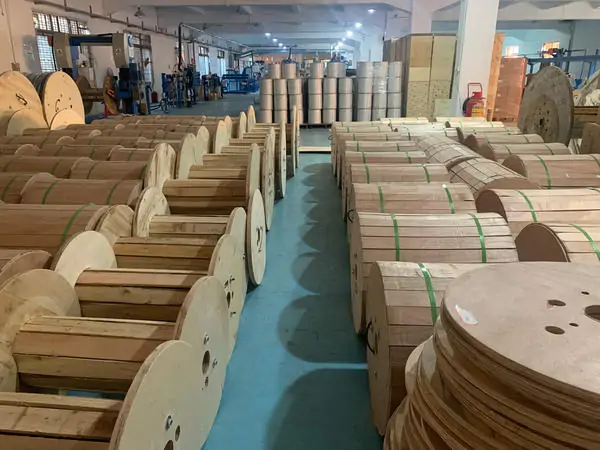
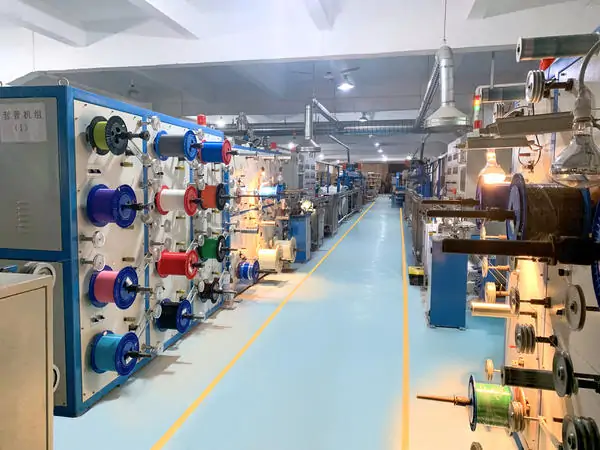
A 30,000 m² manufacturing and office site, 20 automated production lines and capacity up to 760,000 meters per day support recurring orders and infrastructure deployment requirements.

FTTH · Telecom · Data Center
Fiber Optic Connectivity for Modern Network Infrastructure

Move from the network environment into the right cable, assembly, MPO/MTP, connectivity, distribution or splitter product family.

Direct Answer

What Does a Fiber Optic Cable Manufacturer Supply?

A fiber optic cable manufacturer produces cable structures for specific installation environments, including indoor, outdoor, aerial, duct, direct-burial, FTTH and industrial routes. A complete cable specification may define fiber type, fiber count, tube or buffer construction, strength members, armor, water blocking, jacket material, printing, reel length, testing and project packaging.

Cable Types & Construction

Fiber Optic Cable Types We Manufacture

Cable selection begins with the installation route. We review the environment, fiber requirement, construction, protection, jacket, length and delivery format together so the supplied cable matches the approved project specification.

01

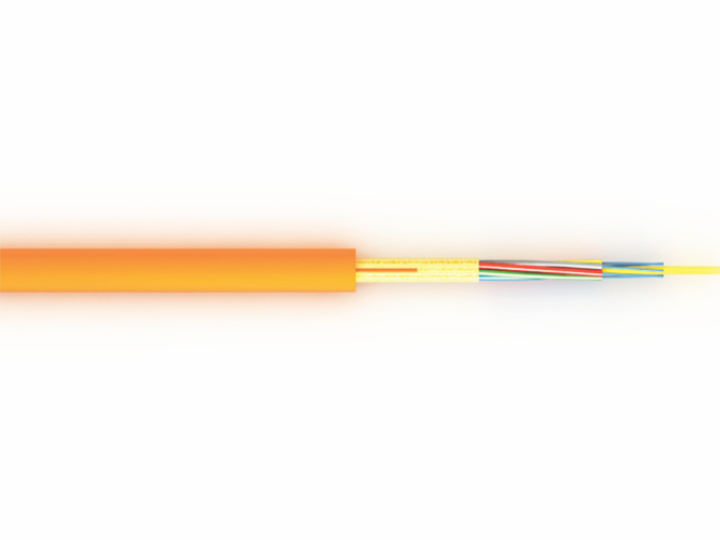
Indoor fiber optic cables

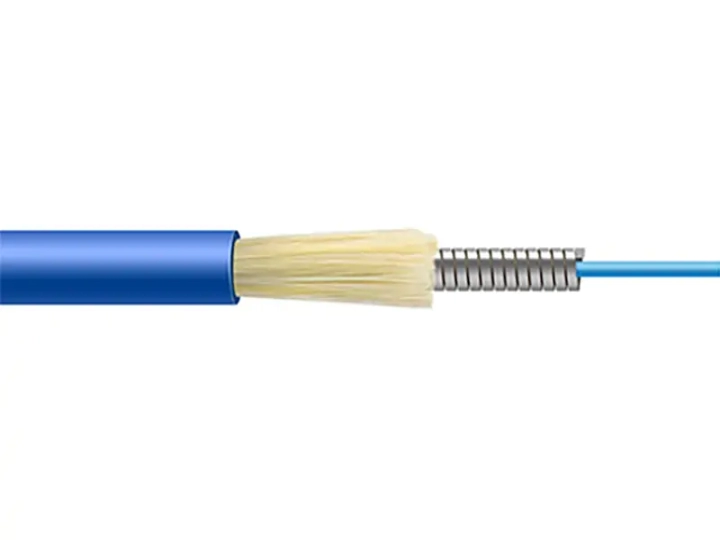
Tight-buffered, distribution, breakout and protected indoor cable directions can be reviewed for building backbones, equipment rooms, data centers and industrial routes.

02

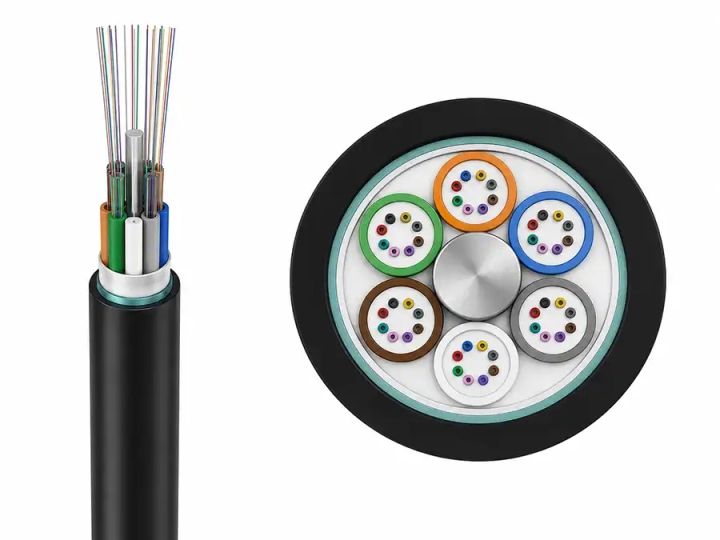
Outdoor fiber optic cables

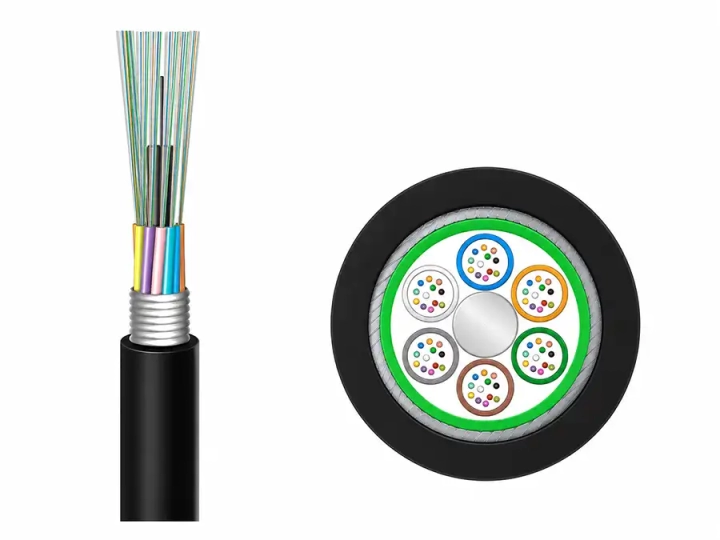
Aerial, duct and direct-burial requirements can be reviewed around loose-tube or other suitable constructions, water blocking, tensile load, crush protection, armor and jacket conditions.

03

Custom cables and terminated assemblies

Project-specific fiber counts, cable structures, printing, reel lengths and packaging can be reviewed together with connectorized, breakout or pre-terminated assembly requirements.

The available construction and manufacturing route are confirmed against the selected cable family, required quantity and approved specification.

Fiber optic cable production for project and recurring supply
Verified Manufacturing Scale

Fiber Optic Cable Factory Capacity

These figures define the current manufacturing scope used for project review. Product construction, machine loading, material availability and inspection requirements still determine the confirmed capacity and lead time for each order.

Manufacturing Facility 30,000 m²

Integrated space for fiber optic cable production, processing, assembly, inspection, warehousing and project coordination.

Automated Production Lines 20 Automated Lines

Automated manufacturing and cable-processing lines support consistent construction, repeatable quality and volume production.

Monthly Production Capacity 22.8 Million Meters / Month 760,000 Meters / Day

Calculated on a 30-day production month. Actual order capacity depends on cable construction, material availability and production scheduling.

Fiber Count Range 2–288 Fibers Up to 576 Fibers

Standard configurations cover 2–288 fibers, with higher-count ADSS and outdoor cable constructions available after engineering review.

Quality Inspection 10+ Test Items

Optical performance, dimensions, cable construction, mechanical properties, appearance, marking and length are checked against order requirements.

Initial Configuration Response Within 12 Hours

An initial cable configuration and quotation response can be prepared after the route, installation method, fiber count, quantity and delivery requirements are confirmed.

Capacity figures should be reviewed against the exact cable type, construction, testing scope, order quantity and required delivery date.

Core Product Platform

Fiber Optic Cables, Assemblies and Connectivity Products

Begin with the cable or connection required by the network. Fiber optic cables remain the core manufacturing direction; assemblies, connectivity, distribution products, splitters and optical modules support the complete connection path.

Optical Transceivers
Fiber Optic Product Family

Optical Transceivers

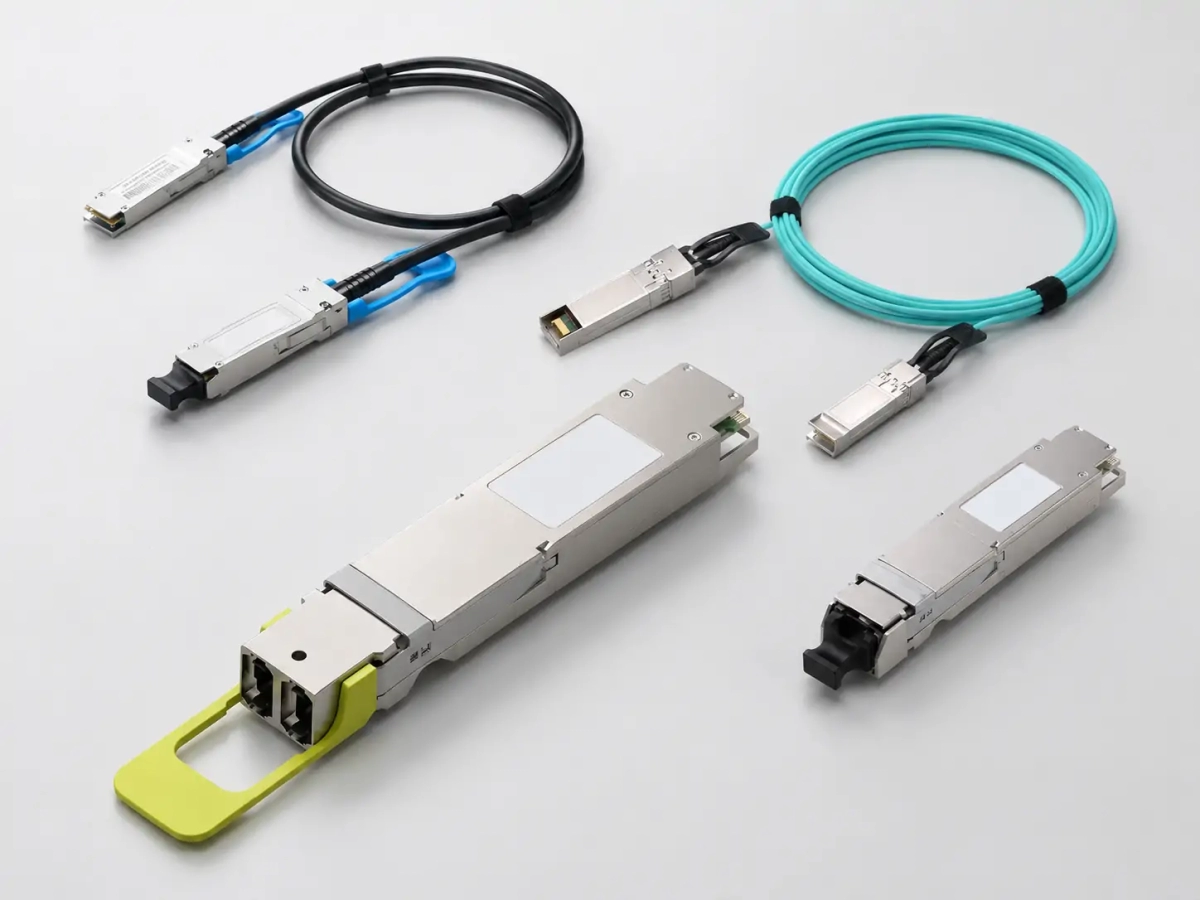
Optical transceivers enable bidirectional conversion between optical and electrical signals for fiber transmission. Ranging from 100G to 800G, these pluggable modules come in SFP, QSFP-DD and OSFP form factors. They support short-reach to long-haul transmission over single-mode and multimode fiber, offering stable high-density connectivity with custom compatibility and OEM options.

Explore Optical Transceivers
Fiber Optic Cables
Fiber Optic Product Family

Fiber Optic Cables

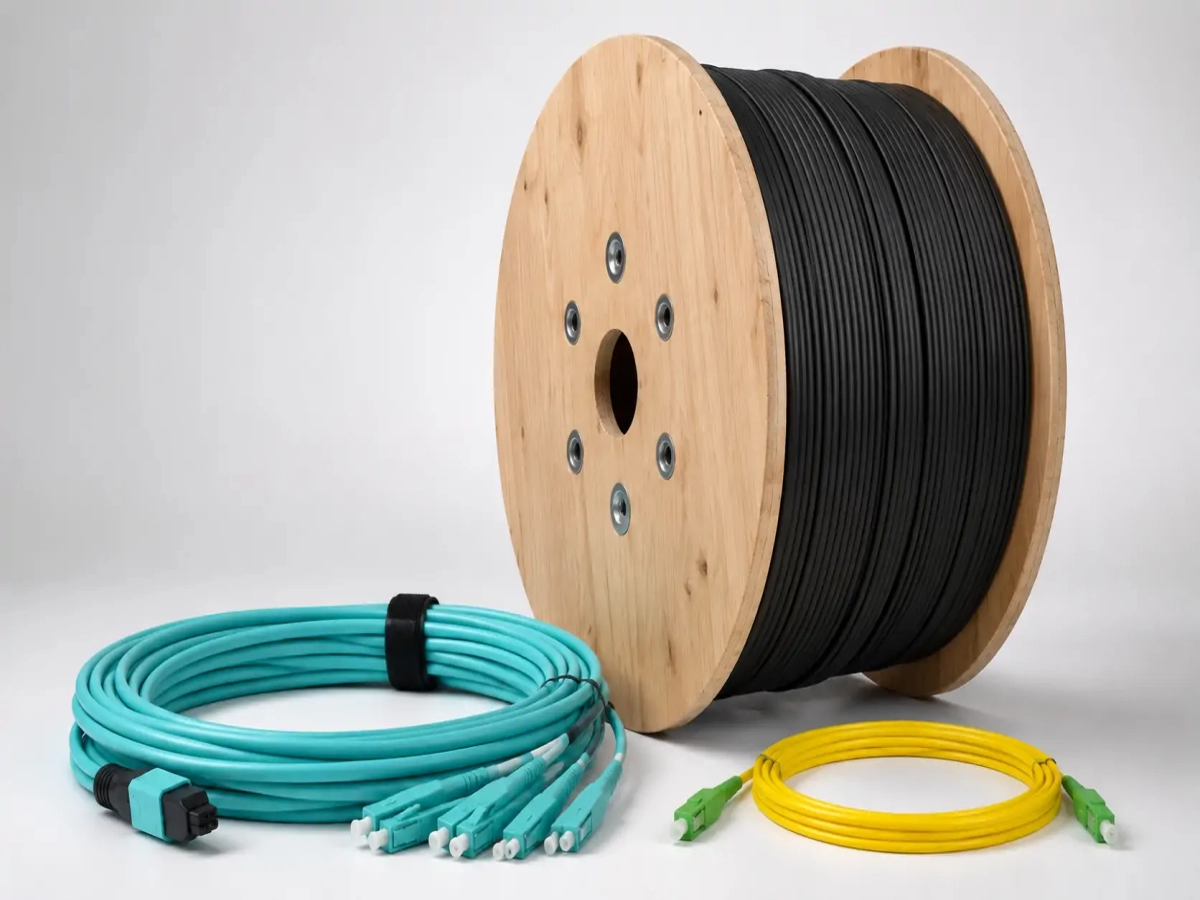
Fiber Optic Cables deliver consistent high-speed transmission for telecom, utility and specialist networks. Indoor variants support building backbones and equipment room cabling. Loose-tube and armored cables withstand outdoor conditions for aerial, duct and direct-burial deployment. Multiple fiber counts and structures fit varied site conditions, with custom builds available for unique project demands.

Explore Fiber Optic Cables
Fiber Connectivity
Fiber Optic Product Family

Fiber Connectivity

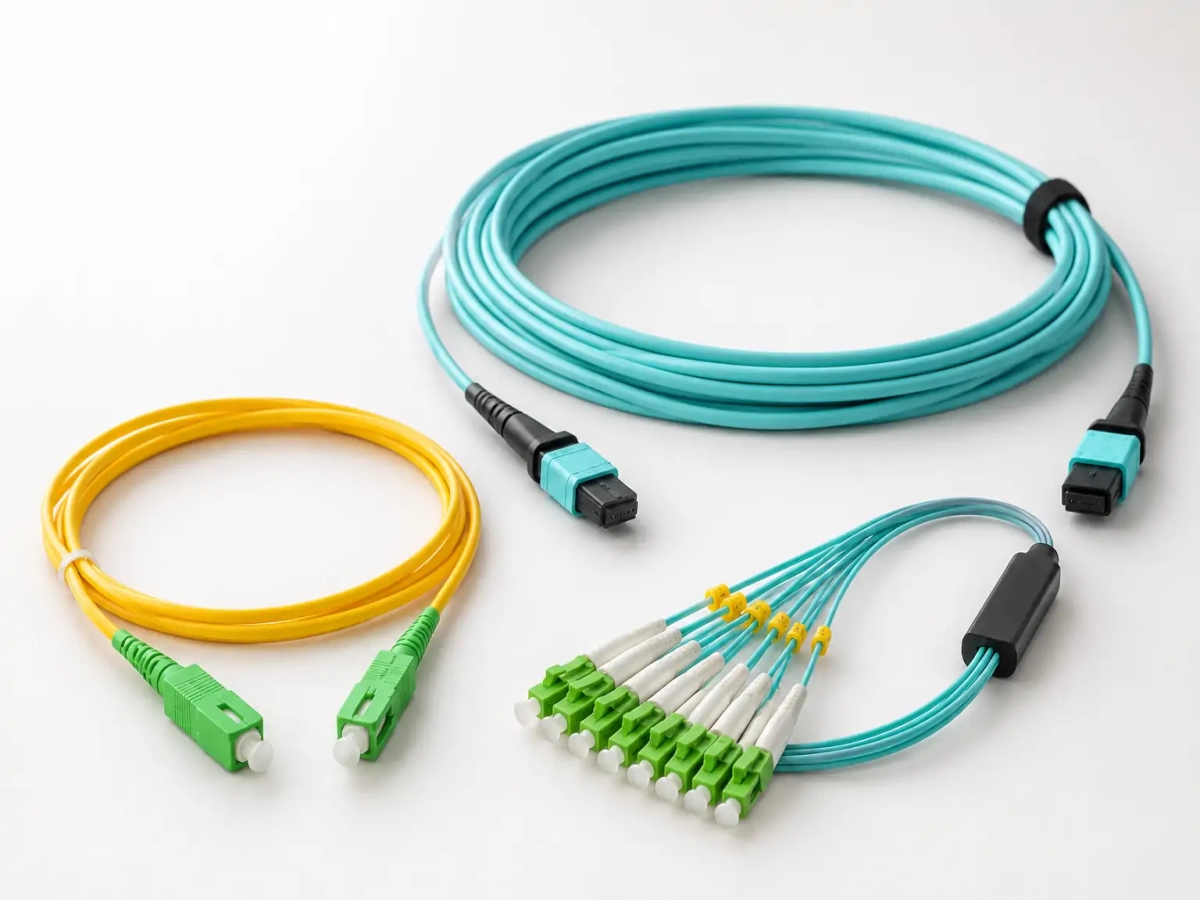
We provide premium fiber connectivity components, including patch cords, pigtails, MPO/MTP assemblies, adapters, connectors and attenuators. Strict production control ensures ultra-low insertion loss and high return loss. The components preserve clean optical signals and hold steady performance after numerous insertions and removals. Multiple connector and fiber variants are supported. Custom lengths and interface options are available to match diverse technical specifications.

Explore Fiber Connectivity
Fiber Distribution
Fiber Optic Product Family

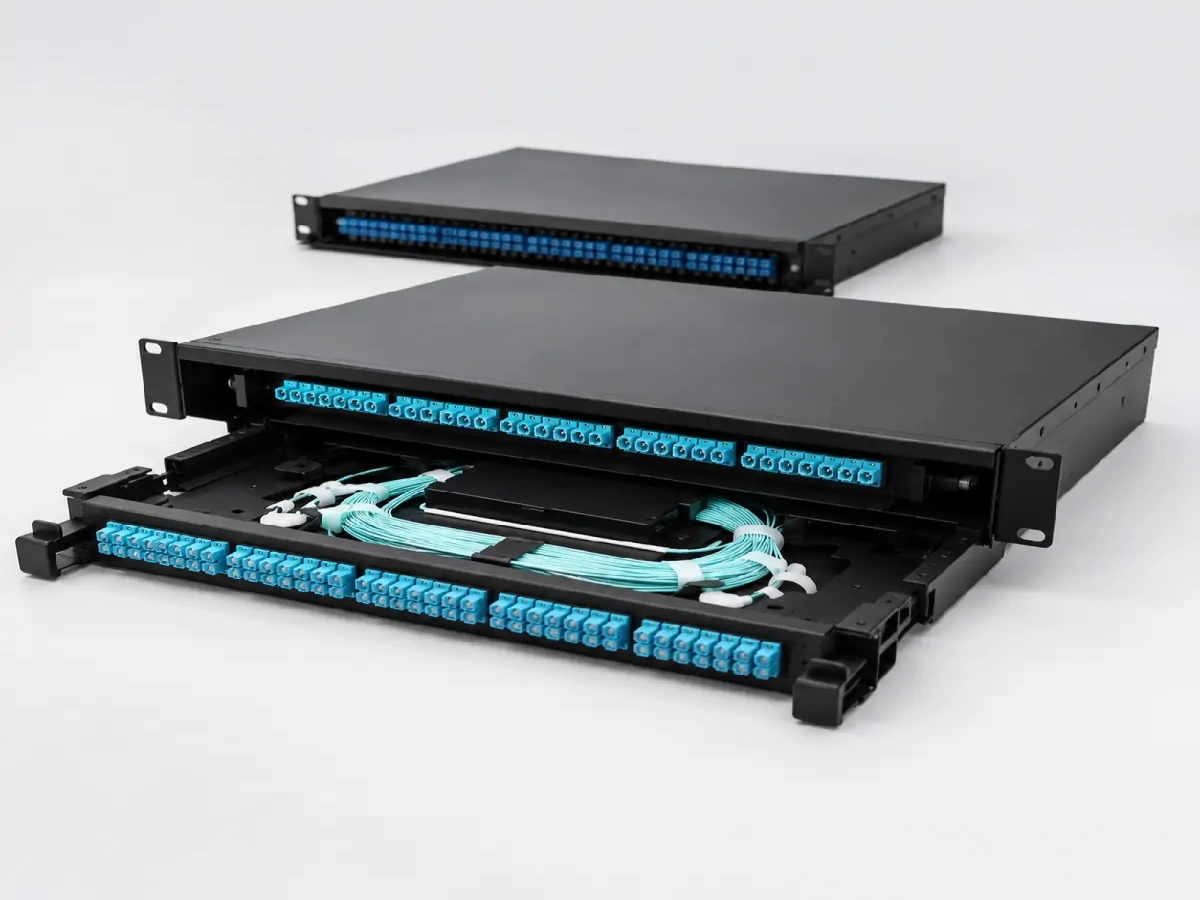
Fiber Distribution

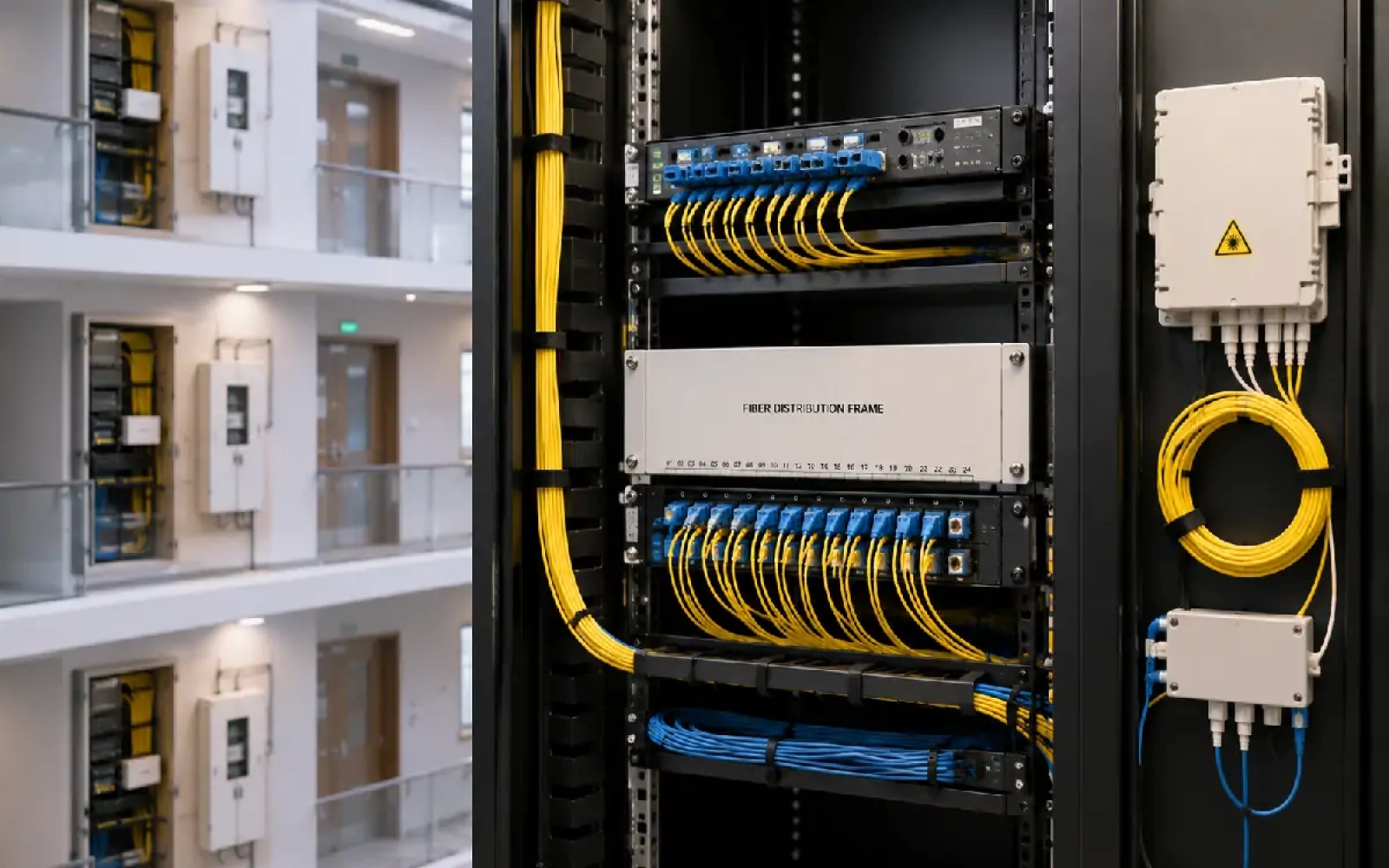
Fiber distribution hardware supports fiber termination, splice containment and structured cable management. Heavy-duty housings guard fiber components against mechanical stress. Modular architecture enables orderly fiber routing. Multiple mounting styles and port-capacity options accommodate different optical system configurations.

Explore Fiber Distribution
Fiber Splitters
Fiber Optic Product Family

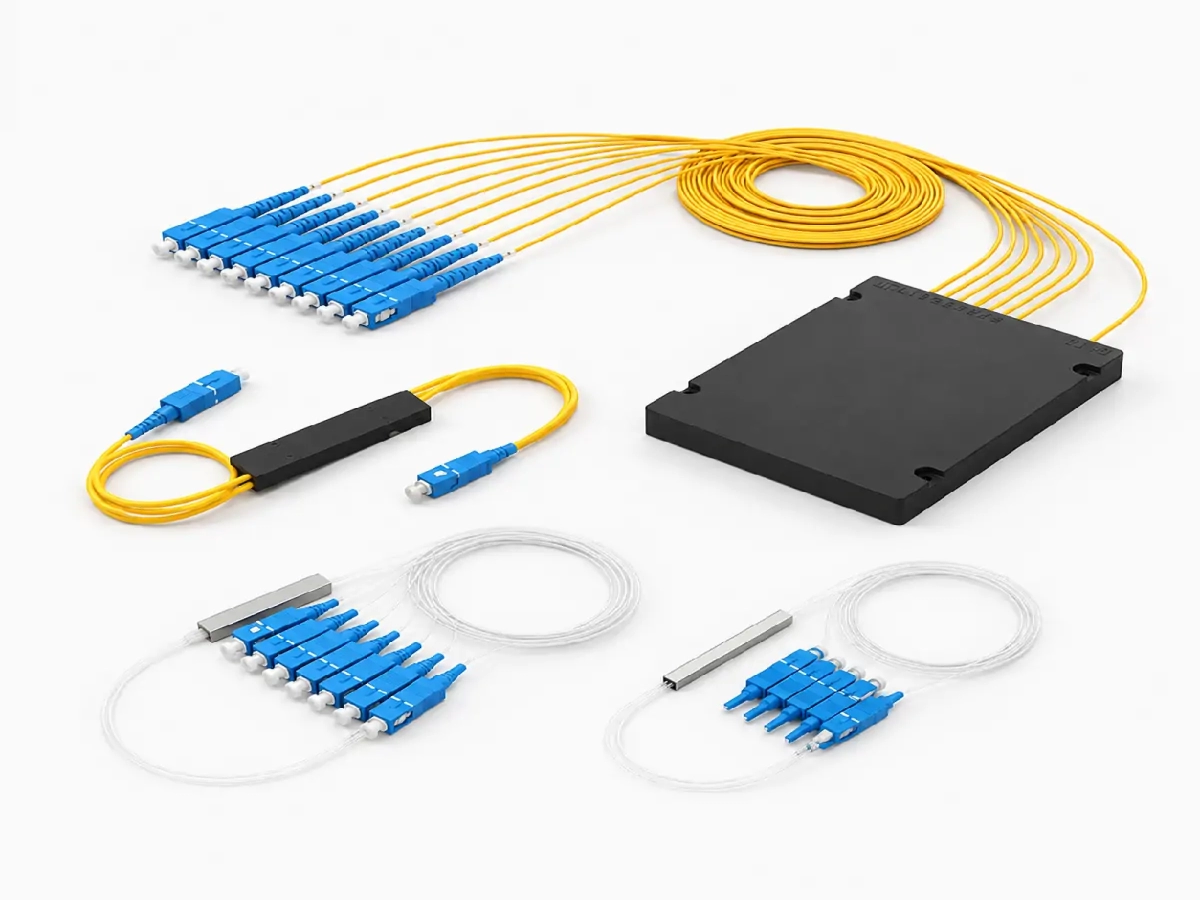
Fiber Splitters

Fiber splitters achieve optical signal division in fiber transmission systems. Balanced power distribution is maintained across all output ports. Optimized optical structure brings low insertion loss and high isolation. Signal attenuation and crosstalk are effectively controlled. Stable optical characteristics are preserved over the full operating wavelength range.

Explore Fiber Splitters
Manufacturing Foundation

Fiber Optic Cable Manufacturing and Quality Control

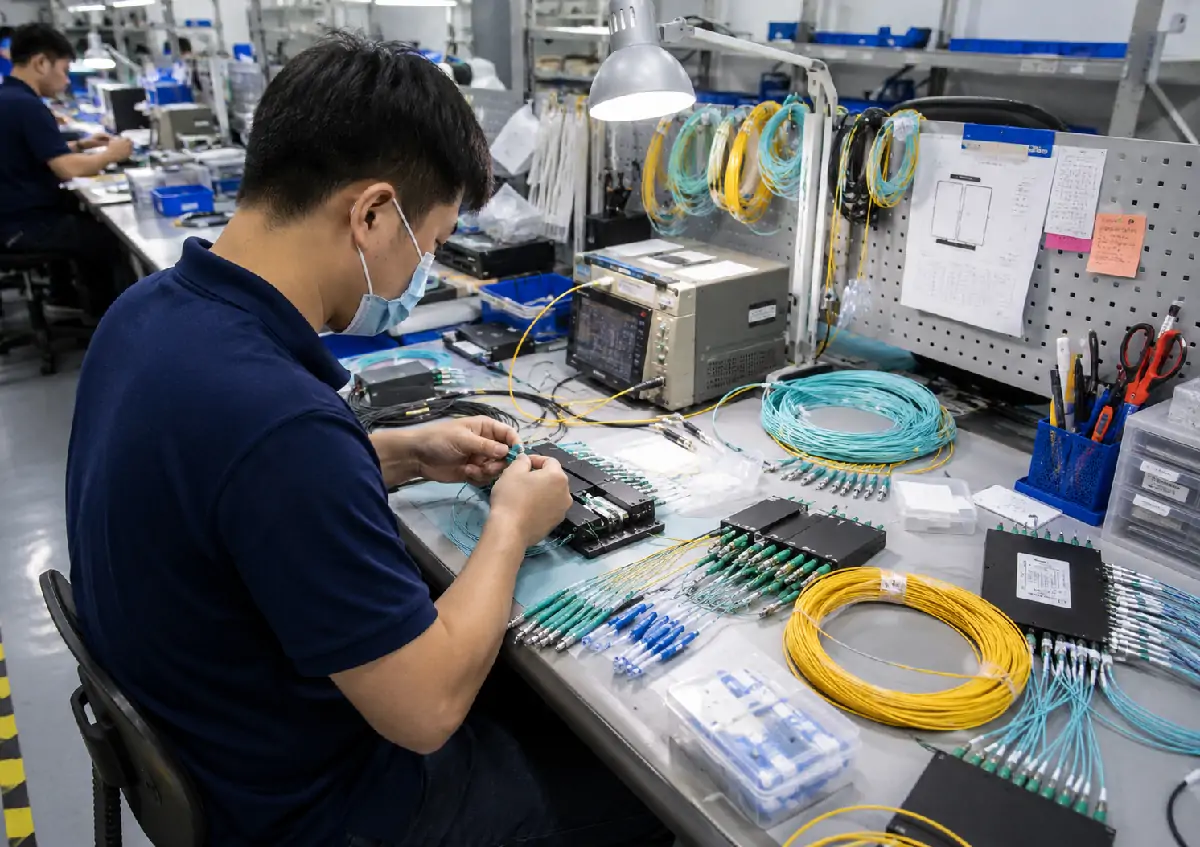
Our manufacturing workflow connects cable production, processing, inspection and order control so project teams can verify how an approved specification moves into repeatable production and delivery.

Fiber optic cable production line with manufacturing equipment and cable reels
01 / 04

Cable Production

Indoor and outdoor fiber optic cable production for standard product families and project-specific construction requirements.

Supplier Evaluation

How to Choose a Fiber Optic Cable Supplier

A reliable fiber optic cable supplier should be evaluated by its actual manufacturing scope, supported constructions, specification control, testing, capacity, MOQ, lead time and ability to reproduce the approved cable across repeat orders.

Evaluation PointWhat to Verify Before Ordering
Manufacturing scopeConfirm whether the selected indoor, outdoor, FTTH, armored, aerial, duct or other cable construction is manufactured or supplied through a defined production route.
Technical configurationCheck fiber type and count, tube or buffer structure, strength member, armor, water blocking, jacket material, dimensions, marking and reel length.
Testing and recordsDefine the optical, dimensional, visual, length, construction and documentation checks applicable to the exact product and order.
MOQ and samplesConfirm the minimum quantity for the selected construction and whether a standard sample, custom sample or first-article approval is required.
Capacity and lead timeCompare the requested quantity with current material availability, machine loading, inspection scope, packing and delivery schedule.
Repeat-order controlUse an approved specification, drawing, sample, printing reference or order record to keep the configuration consistent across replenishment orders.
Applications & Network Environments

Fiber Optic Solutions by Network Application

Different network environments change cable construction, connectivity, density and distribution requirements. Use the application as a practical route into the relevant fiber optic product family.

FTTH Access Network
Fiber Optic Application

FTTH Access Network

Plan fiber access from outside-plant distribution to splitting, termination and subscriber connections using cables, splitters, distribution hardware and fiber connectivity.

Data Center & High-Density Fiber Cabling
Fiber Optic Application

Data Center & High-Density Fiber Cabling

Plan high-density data center fiber links with MPO/MTP cabling, patching, distribution hardware, fiber connectivity and optical transceiver connections.

Building & Campus Fiber Distribution
Fiber Optic Application

Building & Campus Fiber Distribution

Plan fiber backbone and distribution routes across buildings, equipment rooms and campus networks using suitable cables, termination hardware and connectivity products.

Custom fiber optic assembly and connector project work
OEM & Custom Fiber Projects

Custom Fiber Optic Cable Specifications and OEM Supply

An OEM cable project can start from the application, route, drawing, sample, cable marking or existing product. The review then identifies the construction, fiber configuration, protection, dimensions, identification, testing and delivery details that must be controlled.

Standard
Establish the base cable

Cable family, installation route, construction, fiber type and fiber count establish the manufacturing direction.

Project Input
Define project-specific requirements

Protection, jacket, dimensions, printing, reel length, termination, labeling, inspection and packing are reviewed around the actual project.

Final Scope
Approve the quotation and production basis

The confirmed specification, drawing, sample or reference record becomes the basis for quotation, production, inspection and repeat supply.

Sampling & Project Response

Fiber Optic Cable Sample Lead Times

Sample timing is organized by product complexity so project teams can distinguish stocked references from non-standard production and special cable development. Material availability and the current production schedule are checked before a delivery date is confirmed.

Standard Stock Sample 1–3 Working Days

Drop cables and standard patch cords

Applies when the requested construction, connector direction and sample length can be supported from available standard material or stock.

Non-Standard Cable Sample 5–7 Working Days

Conventional GYTA and GYTS configurations

Used for common non-standard cable requirements that need specification review, production preparation and sample inspection.

Special Custom Sample 7–12 Working Days

ADSS, OPGW, high-temperature and special jackets

Used when the product introduces special construction, material, protection, environmental or approval requirements.

Initial Cable Proposal Within 12 Hours

When the installation route, cable family, fiber requirement, construction direction, quantity and target delivery date are complete, our team can prepare an initial cable configuration proposal within 12 hours. Final sampling and production dates remain subject to technical confirmation and scheduling.

Quality Systems & Compliance

Fiber Optic Cable Quality Certifications

Management-system and product documentation support supplier qualification, but every certificate must be checked against its holder, scope, validity and the exact cable being purchased. Copies can be reviewed during project qualification.

G.652DG.657A1G.657A2G.654EOM3OM4OM5
ISO Management Systems

ISO 9001 quality management, ISO 14001 environmental management and ISO 45001 occupational health and safety management system certifications.

Product and Environmental Documentation

TLC product certification, industrial production license and RoHS environmental compliance documentation, subject to the applicable product and certificate scope.

10+ Quality Inspection and Test Items

Inspection can cover optical performance, dimensions, construction, appearance, marking, cable length, packing and other order-specific requirements defined for the supplied product.

Frequently Asked Questions

Fiber Optic Cable Manufacturer FAQs

Direct answers for project and procurement teams comparing manufacturers, cable suppliers, product configurations and custom order requirements.

Are you a fiber optic cable manufacturer or only a supplier?

GK Fiberoptic supports indoor, outdoor and project-specific fiber optic cable manufacturing, together with custom assembly and the supply of related connectivity products. The manufacturing or supply route, available construction and applicable documentation are confirmed for the exact product being quoted.

What fiber optic cable types can you manufacture?

The manufacturing direction includes indoor and outdoor cable families for building, data center, telecom, FTTH, aerial, duct, direct-burial and industrial routes. The exact loose-tube, tight-buffered, armored, non-metallic or other construction must be confirmed against the route and required specification.

What fiber counts can be produced?

Conventional fiber optic cables are available from 2 to 288 fibers, with custom ADSS and large-count outdoor cables up to 576 fibers. Indoor and drop cables generally cover 1 to 24 fibers, while patch and breakout cable configurations can extend to 48 fibers. Final availability depends on the selected construction and project requirements.

What is the MOQ for a custom fiber optic cable?

MOQ is confirmed by cable construction, required material, printing, reel length and production setup. Send the cable type, specification and expected quantity so standard-material availability and the minimum practical production quantity can be checked before quotation.

How long does fiber optic cable production take?

Production lead time depends on material availability, cable construction, quantity, line loading, first-article approval, testing, printing and packing. A reliable delivery date can be confirmed only after the exact specification and order scope have been reviewed.

What tests are performed on fiber optic cables?

More than 10 inspection and test items can be applied according to the cable and order, including optical performance, cable length, outside diameter, construction, printing, appearance and packing. Mechanical, environmental and compliance testing should be defined by the selected product and project standard.

Can fiber optic cable construction, printing and packaging be customized?

Yes. Depending on the cable family and quantity, a project can review fiber configuration, cable structure, protection, jacket, color, printing, reel length, labels and packing. All custom details should be fixed in the approved quotation, drawing or specification before production.

What information is needed for a fiber optic cable quote?

Send the installation route, cable type or reference, fiber type and count, construction, required protection, jacket, length per reel, total quantity, printing, testing, packing, destination and delivery target. A drawing, cable marking, photograph or sample can be used when a complete specification is not available.

Factory Quote

Request a Fiber Optic Cable Manufacturer Quote

Share the installation route, cable type, fiber specification, construction, length, quantity, testing, packing, destination and required delivery date. A drawing, cable marking, photograph or sample is enough to begin when the full specification is not yet available.