High-Density Patch Panels
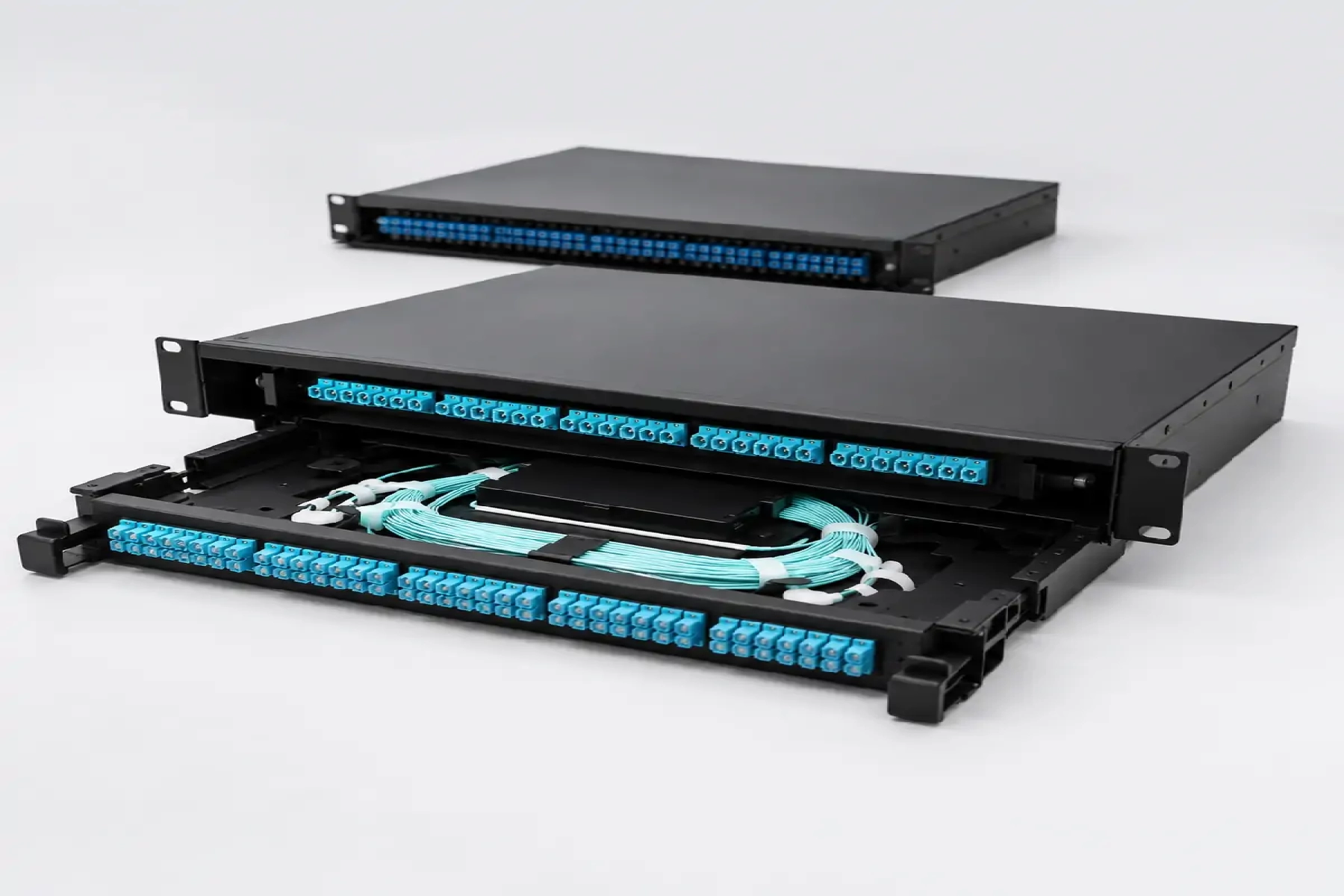
Explore high-density fiber patch panels for scalable data center cabling, high-fiber-count connectivity, modular patching and network expansion.
Explore high-density patch panels, cassettes, termination and distribution hardware, ODF frames and cabinets for organized fiber network deployment.
Start with the installation point and management task, then move into the patch panel, cassette, box, closure, frame or cabinet family that fits the project.
Explore high-density fiber patch panels for scalable data center cabling, high-fiber-count connectivity, modular patching and network expansion.
Explore modular fiber cassettes and adapter panels for high-density patching, MPO/MTP conversion and organized data center fiber connections.
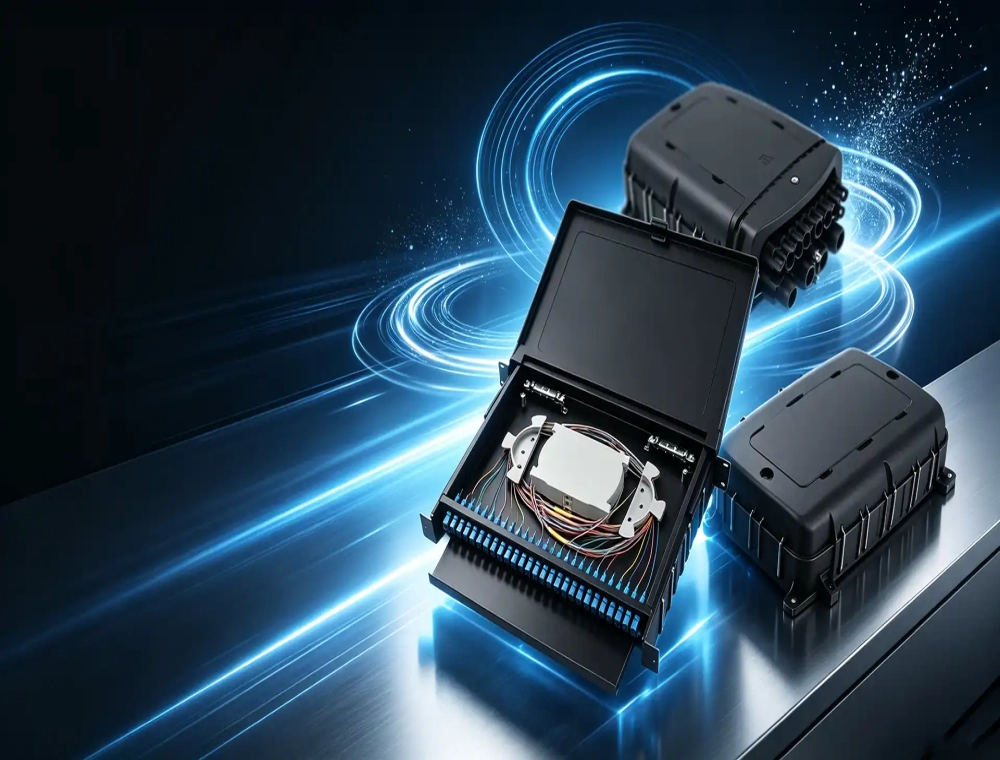
Explore fiber optic termination boxes for cable entry, splicing, connector termination and protected fiber management in network installations.
Explore fiber optic distribution boxes for fiber termination, splitting and connection management in FTTH, telecom and access network deployments.
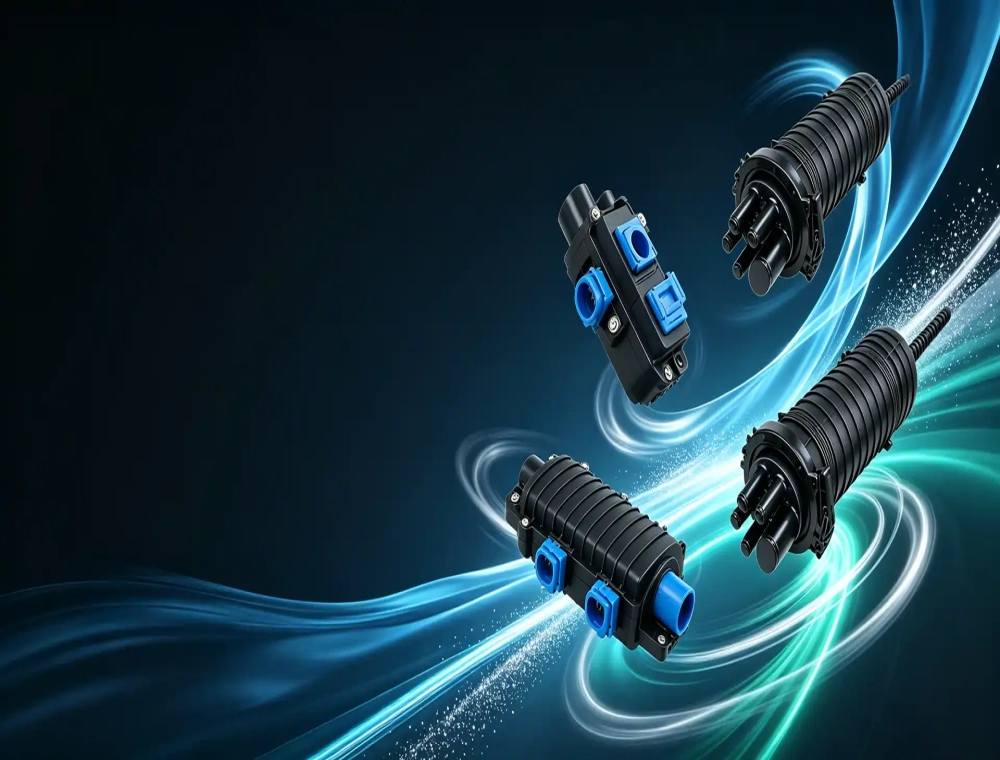
Explore fiber optic splice closures for protecting fiber splices and cable connections in aerial, duct, buried and other outdoor network installations.
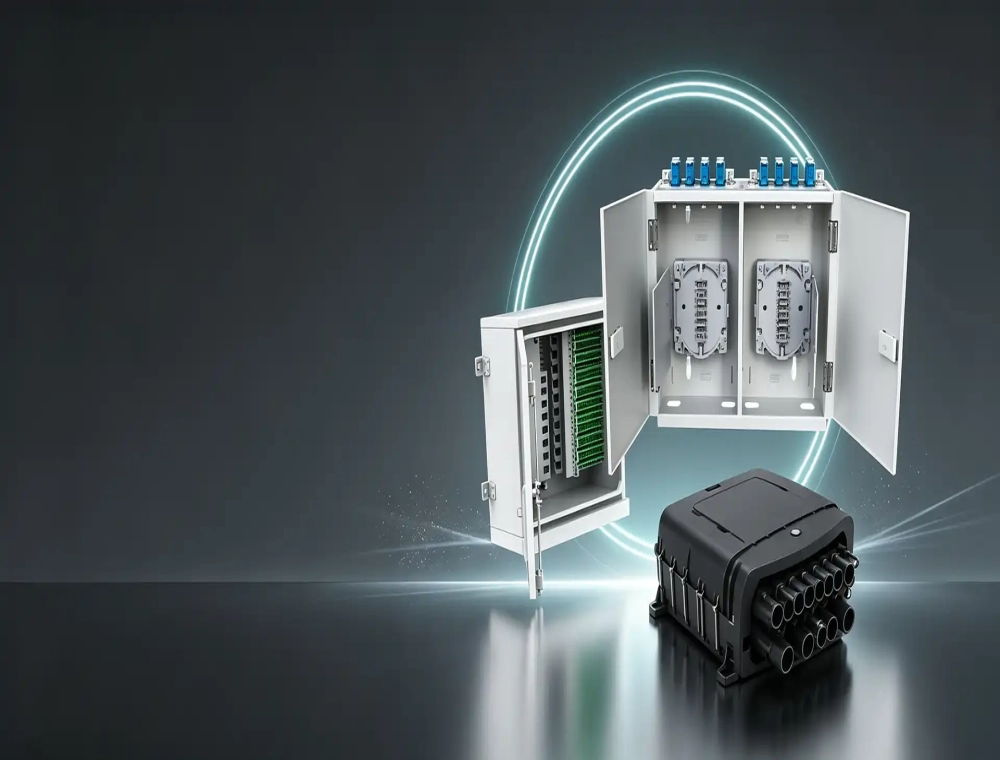
Explore optical distribution frames for fiber termination, patching, splicing and cable organization in telecom rooms, equipment rooms and network facilities.
Explore fiber optic cabinets for organized fiber distribution, termination, patching and cable management in telecom, access and network infrastructure.
The same fiber network can use different hardware at the rack, distribution room, access edge and outside plant. Start with where the fibers need to be patched, terminated or protected.
Use rack-level hardware where fiber density, modular patching and organized front or rear access are the main concerns.
Use frame or cabinet systems where many fiber routes are brought together for patching, organization and ongoing management.
Use compact termination or distribution hardware closer to access points, floor zones, subscriber routes or local network branches.
Use splice closures where cable joints and fiber splices need protected housing along aerial, duct, buried or other outdoor routes.
A complete part number is useful but not required. The installation point, mounting method, fiber capacity and connection format are usually enough to begin narrowing the hardware family.
If the final hardware format is not yet known, send the rack, cabinet, box or network location together with the cable and interface information already available.