Product Overview
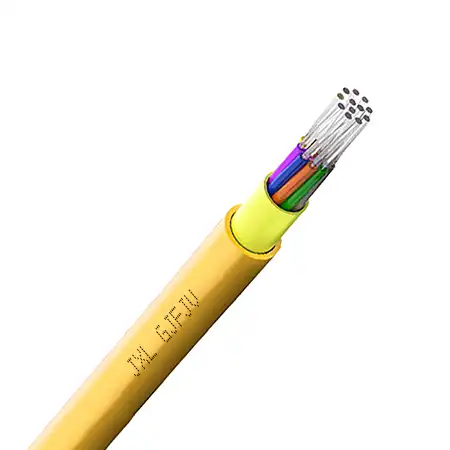
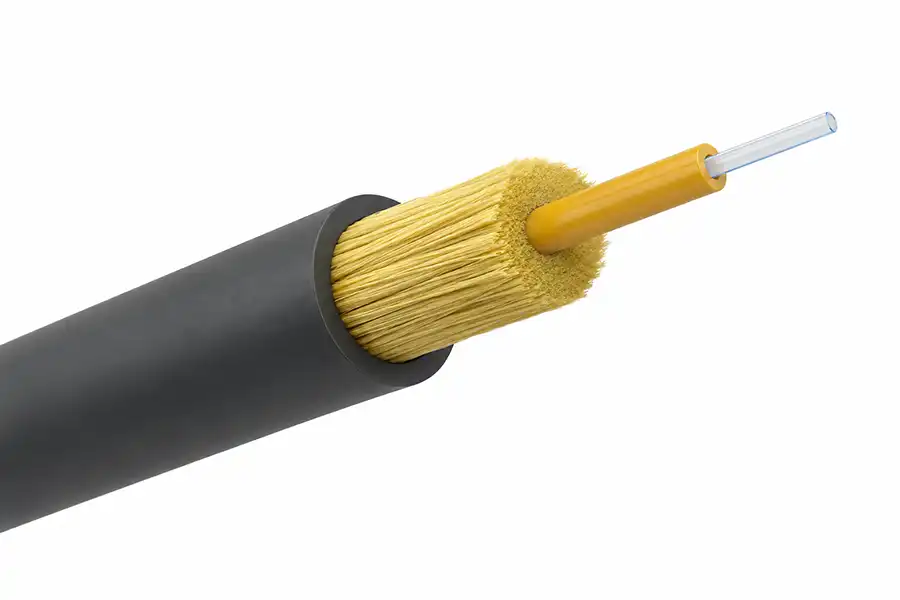
GJFJV simplex and GJFJBV duplex fiber optic cables are compact tight-buffered cables designed for indoor equipment connections, patch cord assembly and short building links. Each 600 μm or 900 μm tight-buffered fiber is reinforced with aramid yarn and protected by a PVC or LSZH outer jacket. Single-mode and multimode fiber options are available for different transmission and installation requirements.
Product Overview
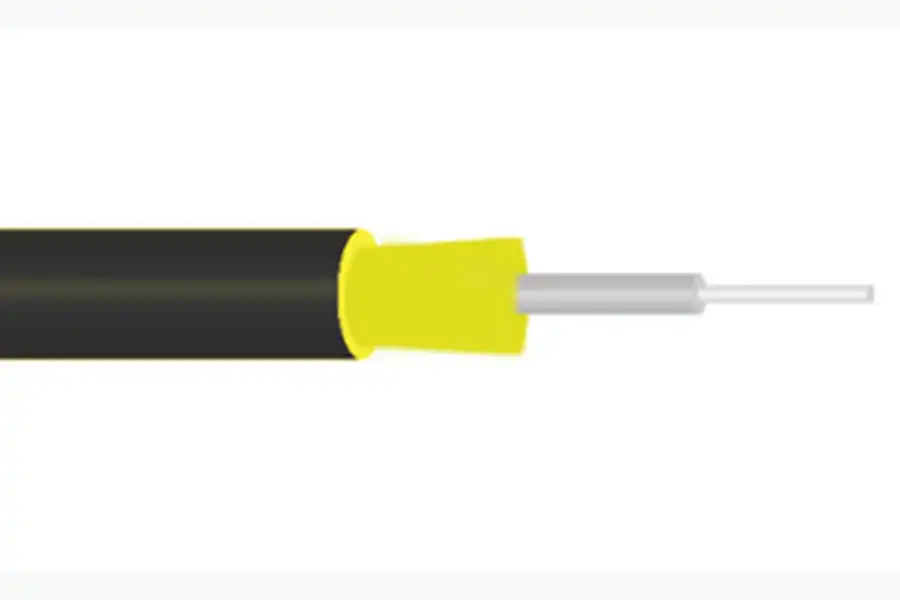
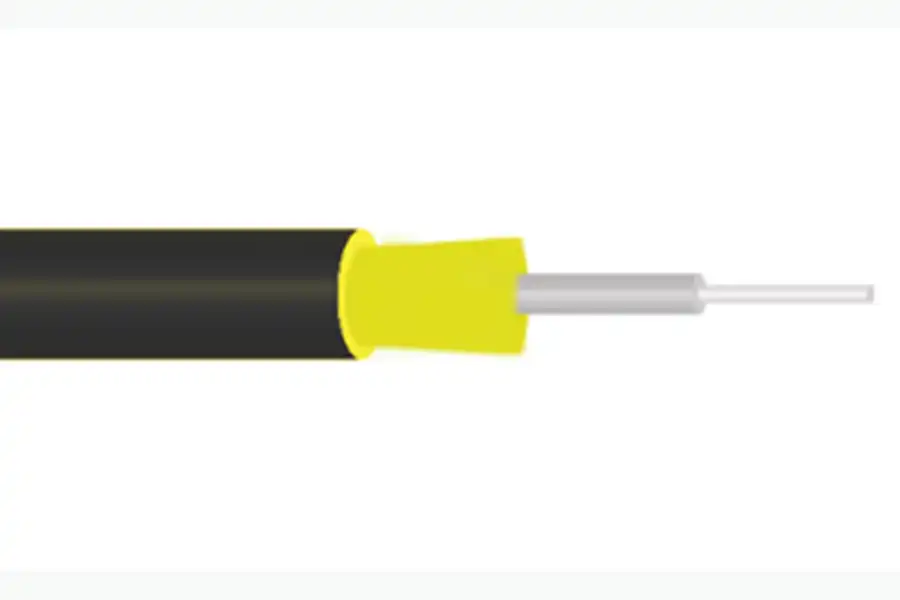
The simplex construction contains one tight-buffered optical fiber inside a round outer jacket. It is commonly used for pigtails, simplex patch cords, sensors and optical equipment connections.
The duplex version consists of two individually protected simplex units joined in a zipcord construction. The two units can be separated during termination without damaging the cable jacket, making the cable suitable for transmit-and-receive links between switches, transceivers and other network equipment.
Both constructions are lightweight, flexible and easy to strip. They can be supplied as bulk cable or processed into finished assemblies according to the required connector type and cable length.
Cable Construction
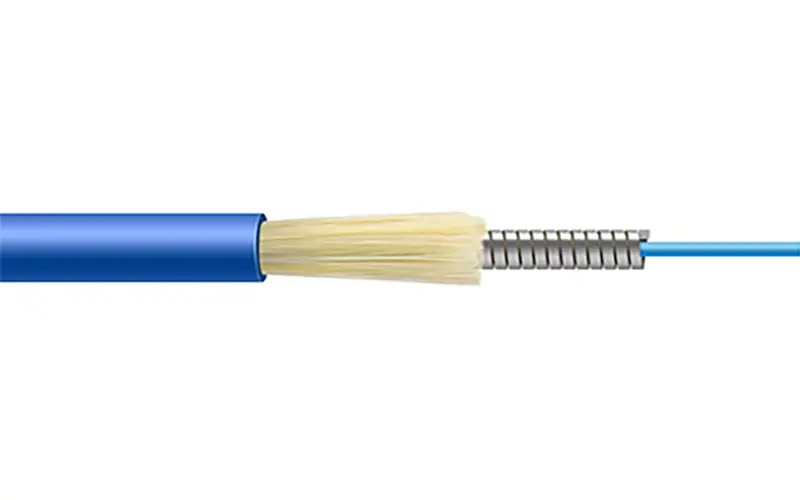
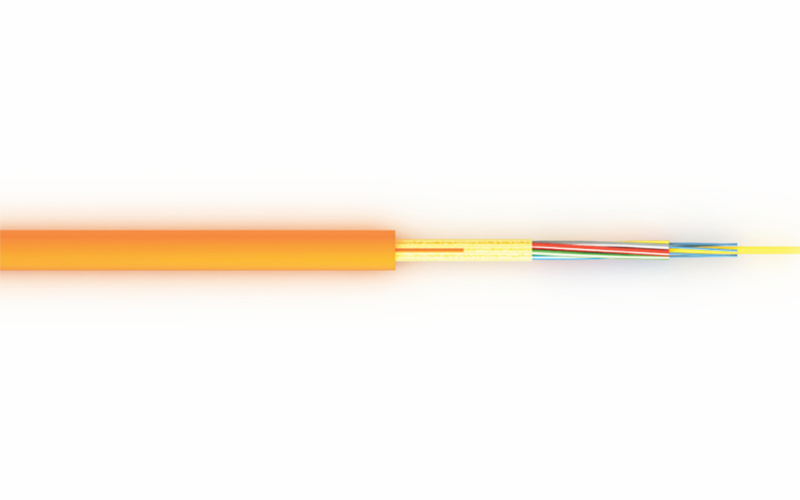
From the center outward, the cable consists of:
Single-mode or multimode optical fiber
600 μm or 900 μm tight buffer
Aramid yarn strength member
PVC or LSZH outer jacket
Two joined simplex units for the GJFJBV duplex version
The aramid yarn carries the pulling load during installation and helps isolate the optical fiber from external tension. The tight buffer allows straightforward stripping and direct connector termination without a separate fan-out kit.
Key Features
Simplex and duplex zipcord constructions
Compact diameter for indoor routing
Flexible and easy to handle
600 μm and 900 μm tight-buffer options
Aramid yarn provides non-metallic tensile reinforcement
PVC and LSZH jacket options
Single-mode and multimode fibers available
Easy separation of the duplex cable units
Suitable for direct connector termination
Custom cable color, diameter and delivery length available
Available Fiber Types
| Fiber category | Available options | Typical use |
|---|---|---|
| Single-mode | G.652D | General single-mode communication links |
| Bend-insensitive single-mode | G.657A1, G.657A2 | Compact routing and installations with tighter bends |
| Multimode | OM1, OM2 | Existing multimode networks |
| Laser-optimized multimode | OM3, OM4, OM5 | Data centers and high-speed short-distance links |
Fiber availability should be confirmed when placing the order.
Typical Cable Specifications
| Item | Simplex cable | Duplex zipcord cable |
|---|---|---|
| Fiber count | 1 | 2 |
| Tight-buffer diameter | 0.6 or 0.9 mm | 0.6 or 0.9 mm |
| Nominal cable size | 1.6–3.0 mm | 1.6 × 3.3 to 3.0 × 6.1 mm |
| Strength member | Aramid yarn | Aramid yarn |
| Outer jacket | PVC or LSZH | PVC or LSZH |
| Long-term tensile load | 80 N | 80 N |
| Short-term tensile load | 150 N | 150 N |
| Long-term crush load | 100–200 N/100 mm | 200 N/100 mm |
| Short-term crush load | 500–1000 N/100 mm | 1000 N/100 mm |
| Static bending radius | 10 × cable diameter | 10 × cable diameter |
| Dynamic bending radius | 20 × cable diameter | 20 × cable diameter |
| Operating temperature | −20°C to +60°C | −20°C to +60°C |
Values may change with cable diameter, jacket compound and application requirements. The approved datasheet should be used for the final order.
Jacket and Color Options
PVC jackets provide flexibility and are suitable for many standard indoor installations.
LSZH jackets produce lower levels of smoke and corrosive gas during combustion and are generally selected for enclosed public areas, data rooms and projects with specific fire-safety requirements.
Common jacket colors include:
Yellow for single-mode fiber
Orange for OM1 or OM2
Aqua for OM3
Violet for OM4
Lime green for OM5
Black, white or customized colors when specified
Jacket color alone should not be used to identify the fiber. The printing and order specification remain the final reference.
Applications
Fiber optic patch cord production
Fiber optic pigtail production
Optical equipment interconnection
Data communication equipment
Telecom equipment rooms
Fiber distribution frames
Test and measurement equipment
Security and monitoring systems
Indoor point-to-point links
Simplex or Duplex: Which One Should You Order?
Choose simplex cable when the link requires one optical fiber, such as a BiDi connection, sensor line or single-fiber equipment connection.
Choose duplex zipcord when the equipment uses one fiber for transmission and one fiber for reception. Duplex cable is commonly paired with LC, SC, FC or ST connectors.
For multi-fiber building distribution, use a GJFJV distribution cable instead of bundling several individual simplex cables.
Customization and Ordering Information
Please provide the following details when requesting a quotation:
Simplex or duplex construction
Fiber type
600 μm or 900 μm tight buffer
Cable diameter
PVC or LSZH jacket
Jacket color
Required length
Bulk cable or finished patch cord
Connector type when termination is required
Packaging and marking requirements
We can supply bulk indoor cable and matching fiber optic patch cords and fiber optic pigtails for completed assemblies.
Frequently Asked Questions
What is the difference between GJFJV and GJFJBV cable?
GJFJV usually refers to a round simplex or tight-buffered indoor cable. GJFJBV commonly describes two simplex units joined in a duplex zipcord construction. The precise model designation should be confirmed against the selected cable structure.
Can this cable use G.657A2 bend-insensitive fiber?
Yes. G.657A1 and G.657A2 fibers can be selected for installations where the cable may be routed through compact spaces or around tighter bends.
Is the cable supplied with connectors?
It can be supplied as bulk cable or as a finished cable assembly. For finished assemblies, specify the connector types, polishing type, cable length and testing requirements.
Is LSZH always better than PVC?
Not in every installation. LSZH is preferred where smoke and corrosive gas emissions are a concern. PVC remains practical for many standard indoor environments. Project requirements should determine the jacket material.
Can the duplex units be separated?
Yes. The two units in a zipcord cable can be separated for termination. The separation length should be specified if the cable is supplied as a finished assembly.
Can jacket printing be customized?
Yes. Manufacturer name, product model, fiber type, meter marking and customer information can be printed according to the order requirements.