Specifications, compatibility and ordering information
Soft armored fiber optic cable adds a flexible protective layer around the internal optical cable structure. It is intended for routes where a standard non-armored cable may not provide enough mechanical protection, while the cable still needs to remain manageable during routing, handling, and installation.
What Is a Soft Armored Fiber Optic Cable?
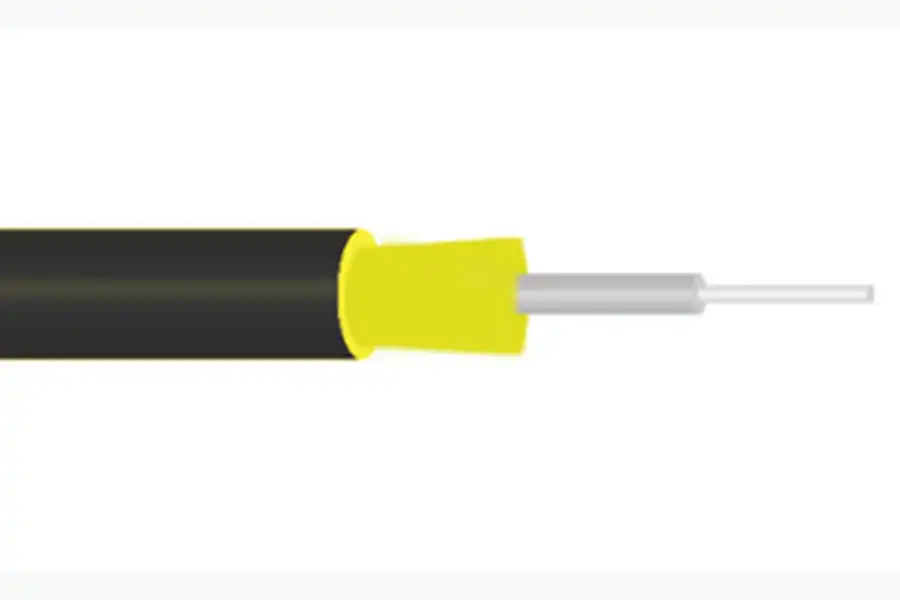
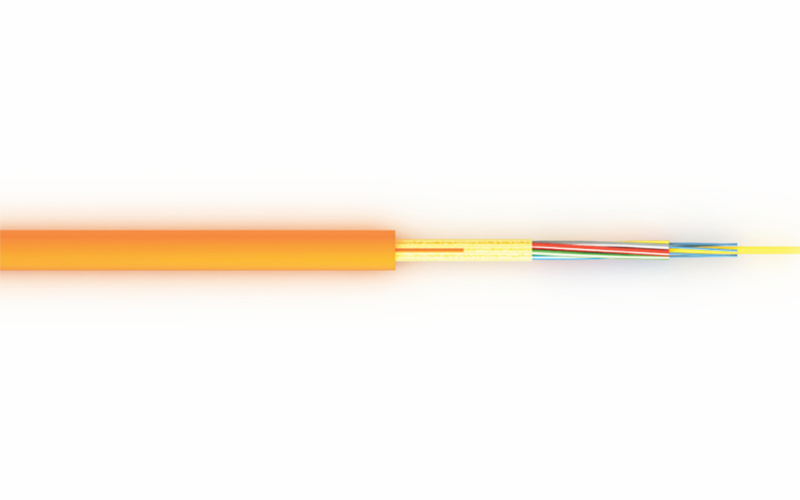
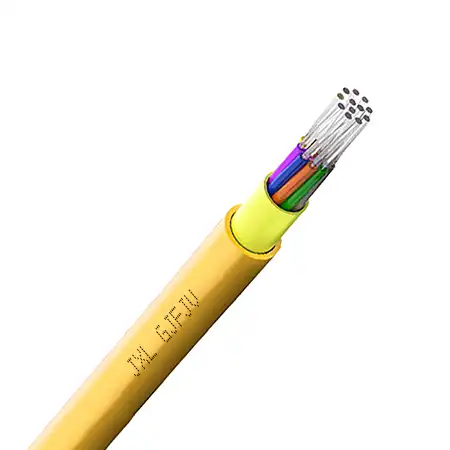
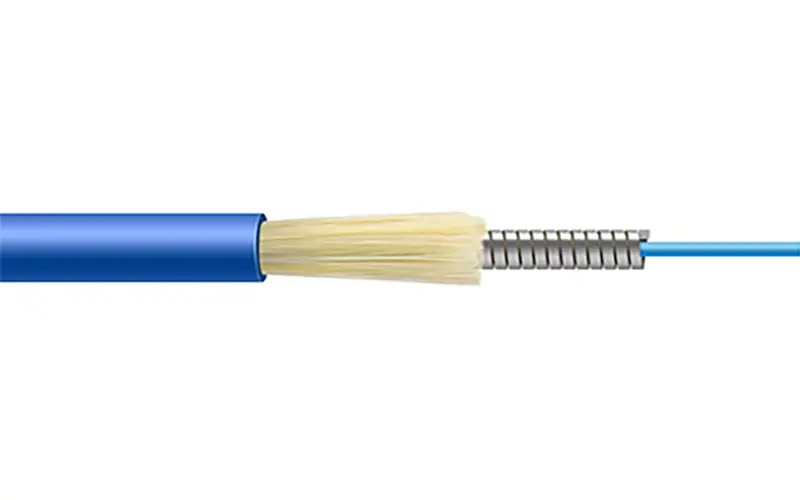
A soft armored fiber optic cable uses an additional flexible armor structure around the internal optical cable. The visible product structure includes an outer jacket, reinforcing yarn, a flexible armor layer, and the internal optical cable element.
This additional protection can help separate the optical element from localized crushing, repeated handling, bending, and accidental mechanical contact. Soft armored cable is a product direction rather than one fixed specification, so the fiber type, fiber count, armor structure, jacket, dimensions, length, and delivery format should be confirmed for each project.
Flexible Protective Structure
The armor layer provides additional physical protection around the internal optical cable while retaining a structure that can be routed through suitable indoor cable pathways.
Project-Based Configuration
Fiber specification, fiber count, jacket, dimensions, length, termination, and other construction details can be reviewed around the actual installation.
Reference-Based Matching
An existing cable sample, jacket marking, product photograph, drawing, or known specification can provide a practical starting point for review.
Where Is Soft Armored Fiber Optic Cable Used?
Soft armored fiber optic cable may be considered for protected indoor routes where the cable is exposed to more handling, bending, contact, or localized mechanical stress than a fully enclosed cable installation.
Equipment rooms and communication rooms
Cabinet, rack, and equipment connections
Internal trays and protected cable pathways
Conduit routes requiring additional cable protection
Replacement projects involving an existing soft armored cable
Final suitability depends on the confirmed armor structure, jacket, cable dimensions, installation method, connected equipment, and project requirements.
How to Select a Soft Armored Fiber Optic Cable
Selection should begin with the actual installation route rather than the product name alone. Once the route and expected mechanical exposure are understood, the optical configuration, cable structure, jacket, dimensions, termination, and delivery requirements can be reviewed together.
| Selection Point | What to Confirm | Why It Matters |
|---|---|---|
| Installation route | Building area, equipment room, tray, conduit, cabinet, rack, or another intended indoor route. | The route affects cable flexibility, protection, jacket requirements, pulling conditions, and installation method. |
| Fiber specification | Required single-mode or multimode fiber, fiber count, and compatibility with the connected optical equipment. | The optical configuration must match the existing network and transmission requirements. |
| Armor and cable structure | Expected crushing, bending, repeated handling, cable diameter, and any existing reference cable. | These conditions help determine whether the proposed soft armored structure is suitable. |
| Outer jacket | Required jacket material, color, diameter, marking, and project-specific indoor performance requirements. | The jacket must suit the actual installation environment and project specification. |
| Supply format | Bulk cable, prepared cable, terminated assembly, connector requirement, or another delivery format. | The supply format changes the production scope and the work required during installation. |
| Order requirements | Required length, quantity, labeling, testing, packing, documentation, and destination. | These details define the supplied configuration and provide the basis for quotation. |
How to Match an Existing Soft Armored Cable
For replacement or compatibility projects, photograph the complete cable and any printed jacket markings. Include close-up images of the cable end, visible armor structure, internal optical element, connector, and damaged or cut section where available.
The approximate outer diameter, required fiber type, fiber count, cable length, installation route, and quantity are also useful. These details help distinguish between products that may appear similar in a general catalogue but use different internal structures.
Available Soft Armored Cable Configurations
The product name identifies the general cable construction, but the supplied configuration should be reviewed against the actual application. The following areas normally define the final product and quotation scope.
| Configuration Area | Project Review |
|---|---|
| Optical configuration | Single-mode or multimode fiber, required fiber count, and compatibility with the existing optical system. |
| Cable construction | Internal structure, flexible armor, reinforcing elements, outer jacket, cable diameter, and required protection. |
| Delivery format | Bulk cable, prepared ends, terminated assembly, connector type, branch arrangement, or other project-specific format. |
| Order scope | Required length, quantity, labeling, testing, packing, documentation, and delivery destination. |
Have a sample, cable marking, or reference image?
Send the available reference together with the installation route, required fiber type and count, approximate cable diameter, required length, quantity, and destination. This information can be used to review the closest product direction and identify which configuration details still need confirmation.