Specifications, compatibility and ordering information
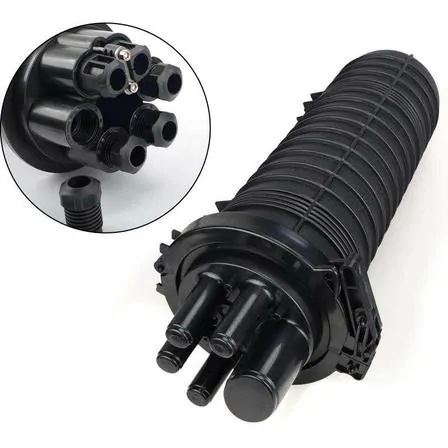
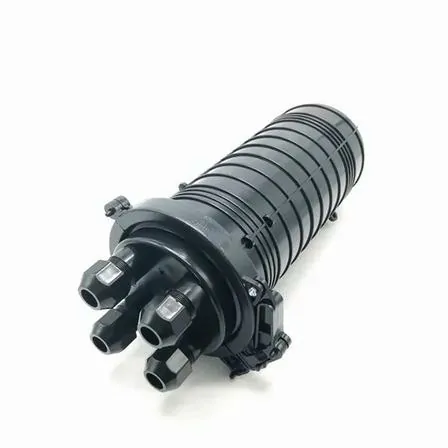
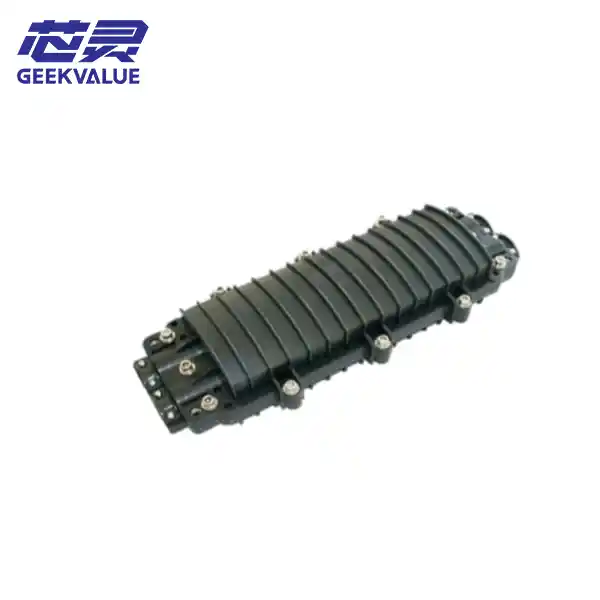
The 96-Core Horizontal Fiber Optic Splice Closure provides a protected outdoor joint point for fiber splicing, routing and storage along backbone, distribution and access-network cable routes. Its horizontal structure is suited to cable joints where fibers continue through the route or are reorganized at a branch point, while the internal splice area keeps completed fiber connections protected inside the enclosure.
The closure family is designed for optical cables with diameters from 10 to 23 mm and uses a mechanical sealing structure around the enclosure. Cable diameter, splice capacity and route arrangement should therefore be considered together when the 96-core configuration is selected for a specific network section.
Installation options include aerial, duct, tunnel and direct-burial deployment, allowing the same horizontal closure platform to be used across different outside-plant routes. The installation method and cable routing should be established before ordering so the closure configuration matches the actual joint location rather than being selected from fiber capacity alone.
For carrier backbone, metro-access and large campus fiber projects, 96-core splice closures may be ordered in quantity for repeated joint and branch points along the network route. Keeping the fiber capacity, cable-size requirement and installation configuration consistent across the order helps field teams use the same splicing and maintenance approach at multiple locations.
For higher-capacity or vertically arranged splice points, see the 144-Core Dome Fiber Optic Splice Closure. For network points that require connectorized distribution rather than cable-to-cable splicing, see our Fiber Distribution Boxes.
96-Core Horizontal Splice Closure Specifications
The 96-fiber configuration should be matched with the optical-cable diameter, splice arrangement and installation route required at the intended outside-plant joint point.
| Parameter | Specification |
|---|---|
| Product Type | Horizontal Fiber Optic Splice Closure |
| Fiber Capacity | 96 Fibers |
| Closure Structure | Horizontal |
| Main Functions | Fiber Splicing / Protection / Fiber Storage |
| Applicable Cable Diameter | 10–23 mm |
| Sealing Structure | Mechanical Sealing |
| Installation | Aerial / Duct / Tunnel / Direct Burial |
| Application | Backbone / Distribution / Access Network |
For larger project orders, using the same 96-core closure configuration across repeated splice points can simplify field installation, spare-unit planning and subsequent network maintenance.